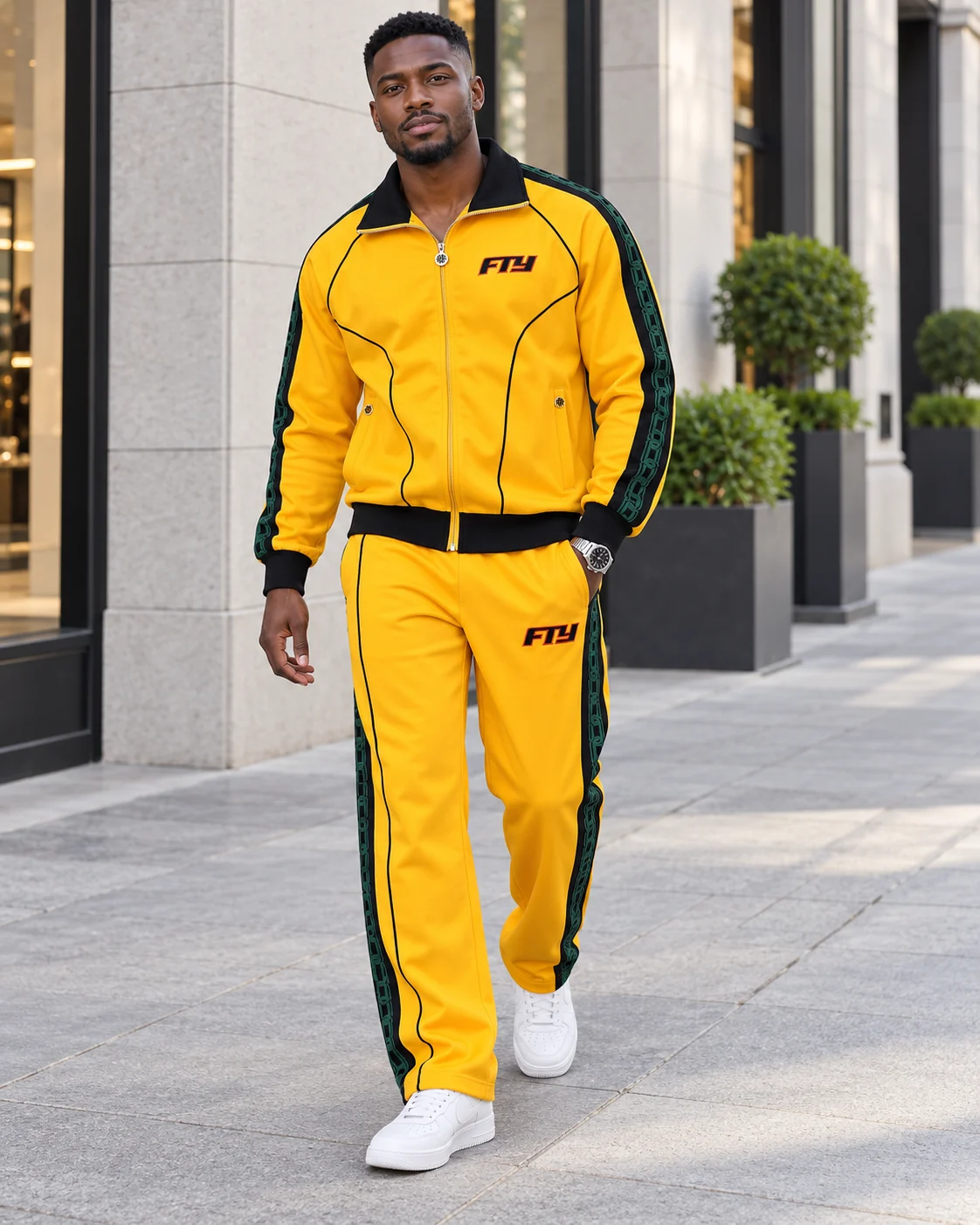
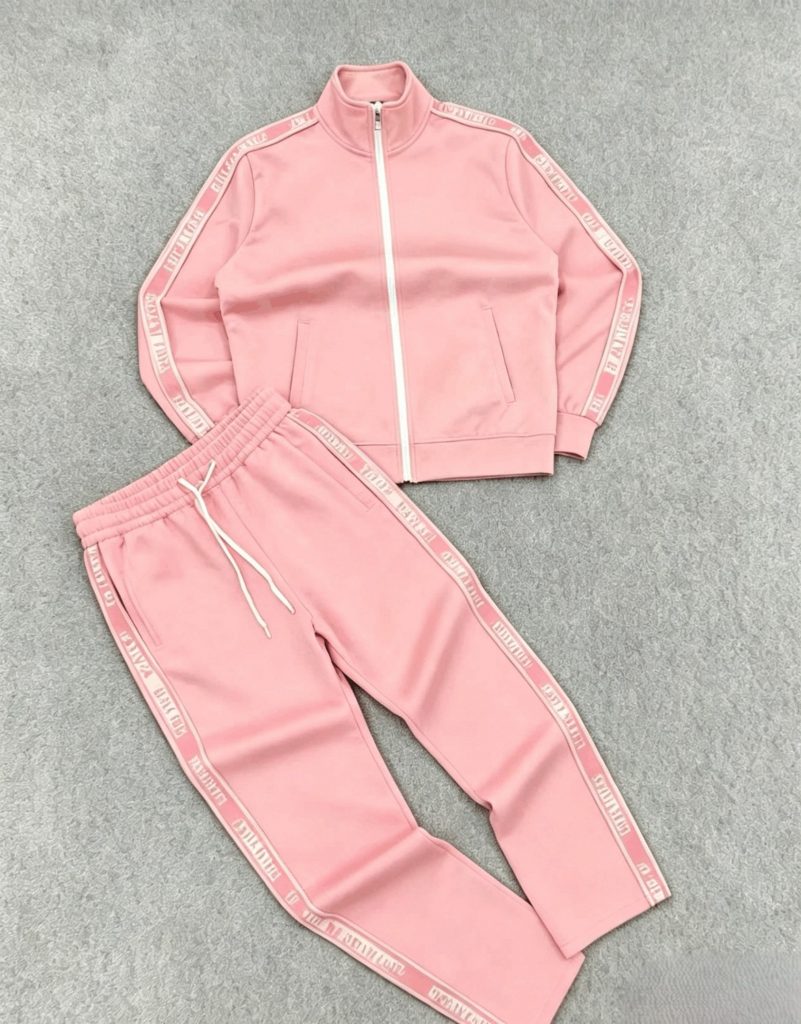
DR Congo tracksuit reorder planning begins with what happened to the first allocation, not with a copy of its invoice. A Kinshasa retailer may have sold one size quickly while another remained; a Lubumbashi distributor may have heard a repeated complaint about trouser length. Both observations can improve the next brief, but neither proves a national buying trend. AfriWear Supply can review a current men’s tracksuit option through its own Guangzhou factory-supported supply process. Availability, specification, price and timing have to be reconfirmed for the new order.
Quick Answer
Record received, sold, returned and remaining units by style, color and XL 2XL 3XL size. Separate a genuine fit or product problem from an initial allocation that was too small to evaluate. Send the original style code, approved measurements and proposed changes to AfriWear for a current product check.
Ask for a new quote that identifies any change in fabric, construction, size mix, packing and trade scope. The earlier order documents a previous decision; it does not reserve current stock. Compare current products and send a reorder brief on WhatsApp.
At a Glance: Reorder Evidence
- Market: State the actual DR Congo destination and receiving arrangement.
- Reference: Use the previous approved style code, chart and color images.
- Size range: Recheck XL 2XL 3XL on the current style; additional sizes are available on request, subject to confirmation.
- Sales evidence: Keep initial allocation beside units sold and returned.
- Change control: Record each product or packing change as a new decision.
- Commercial scope: Obtain a dated MOQ, price and handoff response for this reorder.

Why Reorder Records Help DR Congo Buyers
A sold-out line may indicate strong customer response, or merely a tiny starting allocation. Put the units initially offered and the selling period next to the sellout. The ratio gives the shop a better question than “buy more of the fastest size.” Returns and exchanges should be counted separately from sales because a returned item may reveal a fit or construction issue.
Shop staff can add detail that a spreadsheet misses. If several buyers reject a set after trying it on, record whether the objection was jacket chest, sleeve, waist, inseam or fabric feel. “Too small” is not enough to decide whether to change the ratio or replace the style. A measured complaint can be compared with the current garment chart.
The reorder record also protects continuity. A catalog title may remain the same while trim, fabric or packing changes. Asking for current evidence before approval allows the buyer to decide whether the offered item still serves the original retail promise. This is more useful than treating “same as last time” as a complete specification.
Reorder Routes to Compare
Repeat the same approved style
Use this route only after confirming that the current style code, measurements, fabric description and visible details match the approved reference. Ask which photographs or samples can verify continuity. A repeat label alone is insufficient.
Adjust the size or color allocation
Keep the product constant while changing the matrix based on store records. Document what data supports each adjustment. Confirm whether the new combination is feasible for the selected quantity and current supply.
Replace a discontinued or unsuitable style
Treat a replacement as a fresh selection. Compare top and trouser charts, construction and packing before transferring the desired quantity. Do not reuse the old price or fit assumption automatically.
How to Choose the Reorder Route
The route should address the actual problem seen in the first cycle. Ask the supplier these seven questions before approving a line:
- Is the original style currently offered under the same code and specification?
- Which garment, fabric or trim details have changed since the prior order?
- Can the proposed XL 2XL 3XL matrix be met for this style and quantity?
- What current product and measurement evidence is available?
- Does the new packing plan still identify each style, color and size?
- What MOQ, price validity and stock or production status apply now?
- Which shipment tasks are included for the stated DR Congo destination?

Size and Specification Planning for the Next Order
Keep seven data points with the proposed matrix:
- Original style code and dated approved reference images.
- Current offered style code and any proposed substitution.
- Jacket chest, body and sleeve measurement methods.
- Trouser waist, hip, rise and inseam measurements.
- Initial received quantity by size and color.
- Sold, returned and remaining units over a stated period.
- Requested new quantity and reason for each changed line.
If the garment cut changes, the old size ratio should not be carried forward without rechecking measurements. A new 2XL label does not prove the same fit.
Color and Style Selection from Shop Evidence
- Keep the previous approved color photograph beside current options.
- Compare sell-through against starting quantity, not raw sales alone.
- Separate a style complaint from a color preference in return notes.
- Mark substitute colors as proposed until the buyer approves them.
- Limit new variables when the goal is to evaluate one change.
These are store-specific decisions, not claims about every DR Congo buyer.
Quality Checks Before Approving a Reorder
Style continuity
Compare current front, back and distinguishing detail images with the earlier approved style. A familiar name can conceal a product change.
Jacket measurements
Check chest, body and sleeve figures using the same method as the first order. Record any approved deviation.
Trouser measurements
Review waist method, rise and inseam, especially when first-order returns mentioned fit.
Color and fabric evidence
Request current references for the chosen shades and material information. Do not infer performance from appearance.
Reorder packing
Confirm that labels, set pairing and carton marks reflect the revised matrix rather than the old packing list.
Ready Stock or a New Production Plan?
The first order does not establish the route for the next one. Confirm these seven elements for the selected style:
- Current availability of the exact prior style.
- Whether an alternative fabric or trim is being proposed.
- Feasibility of the revised size and color mix.
- Need for a new sample or current product photographs.
- Any changed label or carton requirement.
- Current MOQ and quotation validity.
- Order-specific production, dispatch and handoff plan.
Neither stock nor a production route guarantees the old price or timing. The ICC Incoterms guidance can help the buyer ask which transport tasks belong to each party; the actual term needs agreement.

What to Include in a DR Congo Reorder Inquiry
Send nine items together:
- Destination city and buyer order reference.
- Previous style code and approved product photos.
- First-order received, sold and returned units.
- Reason for each requested product or ratio change.
- New quantity by color and XL 2XL 3XL size.
- Current fit measurements or sample question.
- Any label, bag or carton change.
- Forwarder and destination handoff requirements.
- Questions about current MOQ, quote validity and timing.
Hello AfriWear Supply. Please review our DR Congo tracksuit reorder using the attached previous style reference and sell-through table. We propose a revised color-by-size matrix and need to know whether the original style is currently available under the same specification. Please identify any fabric, fit or packing change, provide current measurements and product evidence, and quote the applicable MOQ, price validity and shipment handoff scope for this order.
Send the reorder record through WhatsApp so the supplier can answer against the current version.
DR Congo Tracksuit Reorder Checklist
- Record initial received units by style, color and size.
- Separate sales, returns and remaining units.
- Identify fit complaints with garment measurements.
- Confirm the current style code and reference photos.
- Review top and trouser charts again.
- State the revised color-by-size matrix.
- Ask whether requested combinations are feasible.
- Approve any substitute style or trim in writing.
- Confirm labels, set pairing and carton plan.
- Request current MOQ, price scope and validity.
- Agree proposed timing and transport handoff separately.
- Save one dated approved reorder version.
Frequently Asked Questions
Can a DR Congo buyer repeat the first tracksuit order without a new check?
The buyer can request a repeat, but should confirm current product details, availability, commercial terms and timing. The original invoice is historical evidence, not a reservation.
Does a sold-out size always deserve a larger reorder?
No. Review how many units were initially allocated and how quickly they sold. A small starting quantity may make a sellout less conclusive.
What if the old style has been replaced?
Treat the proposed replacement as a new specification. Compare measurements, fabric, photos and packing before transferring quantities.
Can I keep the previous MOQ and price?
Do not assume so. Ask for a fresh quote tied to the current style, size mix, quantity and trade scope.
Which first-order records matter most?
Keep the approved style reference, size chart, initial allocation, sell-through period, returns and packing version. Together they explain the proposed change.
Request the Current Catalog
Use the current products catalog to check a possible replacement, then ask AfriWear to review the reorder on WhatsApp. The DR Congo market page keeps the destination clear. Approve only the current, written specification and quote, not a remembered version of the first order.
Related Articles / You May Also Like


