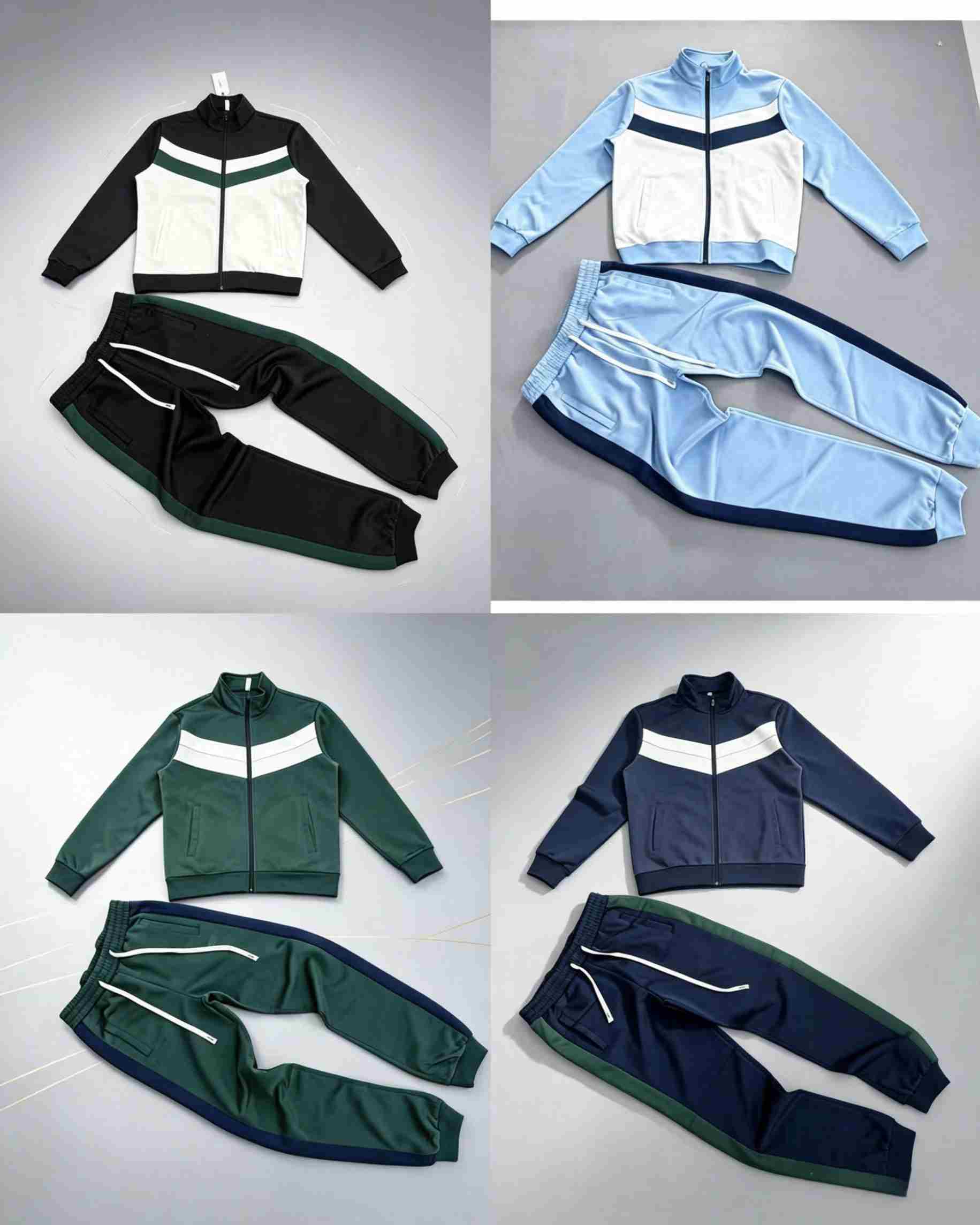
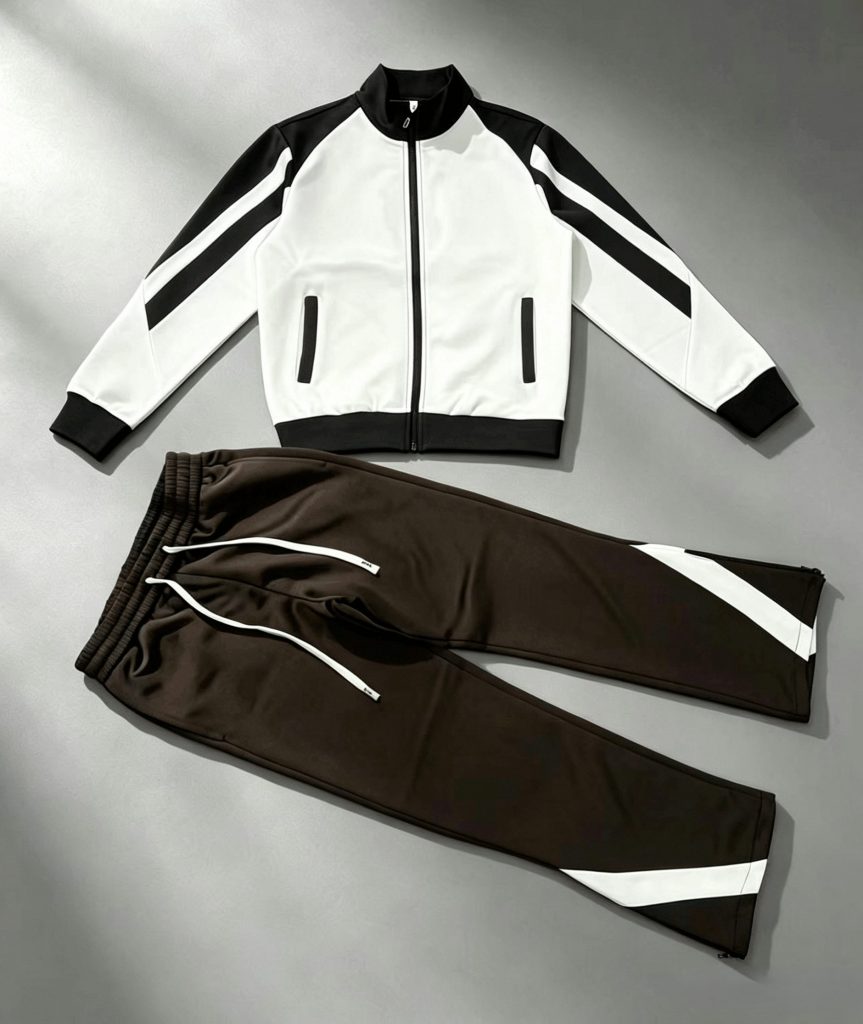
Finding dependable clothing merchandise suppliers is the single most important decision you will make as an African apparel retailer. Your sourcing strategy, pricing power, product quality, and customer reputation all flow directly from who you buy from. A reliable men’s leisure suit supplier can make your retail business. A unreliable one can destroy it through quality problems, shipping delays, and communication breakdowns. This guide walks you through exactly how to identify, verify, and build long-term relationships with the best casual wear suppliers for the African market.
What Makes a Clothing Merchandise Supplier Reliable for African Buyers
The word “reliable” means something specific when you are sourcing clothing merchandise suppliers for the African market. It is not just about price. A supplier who offers the lowest men’s leisure suit price but ships two weeks late, sends the wrong colors, and ignores your messages is not reliable — they are a liability. True reliability for African wholesale buyers comes from five consistent capabilities:
- Communication responsiveness: Replies to messages within 24 hours during business hours. English-speaking or translator-supported communication. Proactive updates on order status without prompting.
- Shipping track record: Ships on or before the confirmed date. Uses reliable freight forwarders with experience shipping to Africa. Provides tracking numbers and customs documentation support.
- Quality consistency: Each batch matches the sample quality. No unexplained variation in fabric weight, stitching, or color between orders. Quality checkpoints at every production stage.
- Problem resolution: Acknowledges quality or shipping issues without defensiveness. Offers reasonable compensation for verified defects. Does not disappear when problems arise.
- Long-term stability: Established factory or trading company with verifiable business registration. Not a middleman who disappears after one transaction. Minimum 2 years operating history.
Men’s Leisure Suit Suppliers: What to Verify Before Placing Orders
A men’s leisure suit — the relaxed-fit, semi-formal style that bridges casual and professional — is one of the highest-demand items in African markets. It is also one of the most variable quality categories in wholesale apparel sourcing. Fabric composition, lining quality, stitching reinforcement at the shoulders and collar, and button durability all vary dramatically between suppliers at similar price points.
Before ordering bulk garments of men’s leisure suits from any supplier, verify the following:
- Request a physical sample: Order 1-3 units of the exact men’s leisure suit style you plan to stock. Pay the sample fee and express shipping. Inspect the fabric hand-feel, lining smoothness, button strength, and stitching at stress points. This is non-negotiable for first-time suppliers.
- Verify fabric specifications: Ask for the fabric composition certificate. Quality men’s leisure suits use 65% polyester / 35% viscose or 75% polyester / 25% cotton blends. Pure polyester feels plastic-like; pure cotton wrinkles excessively. Ask for GSM (grams per square meter) — good quality leisure suit fabric runs 180-220 GSM.
- Check production photos: Request photos of the actual production run, not just catalog images. Look for organized production lines, quality control checkpoints, and finished garments laid flat for inspection.
- Confirm color matching capability: For casual wear suppliers serving African markets, color accuracy is critical. Request a color swatch or dyed fabric sample before bulk production. Natural dye processes can produce significant color variation between batches.
Casual Wear Suppliers: Building a Supplier Shortlist for Africa
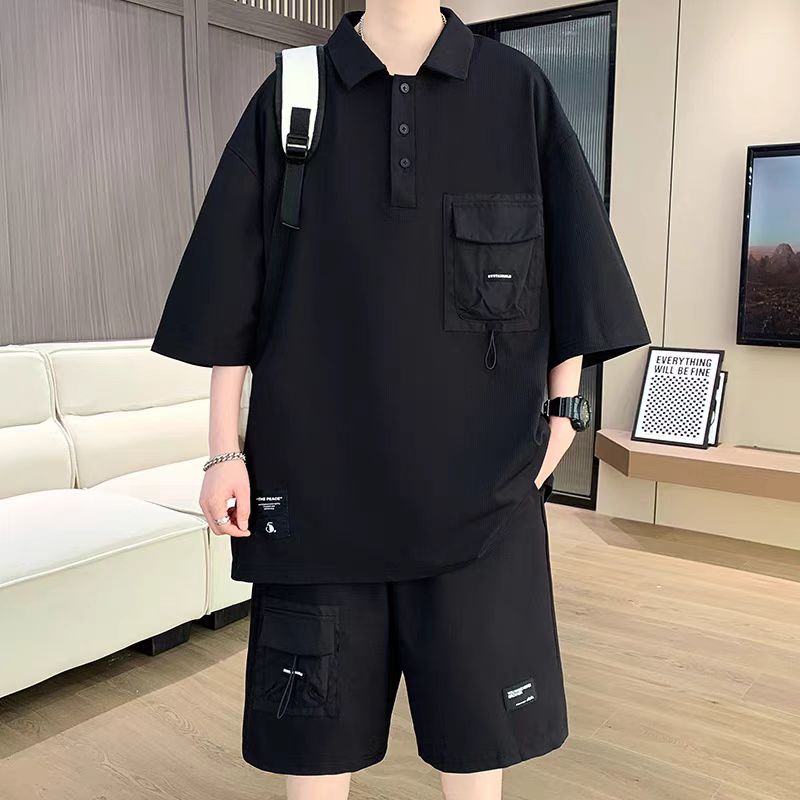
The Foshan manufacturing region in Guangdong Province is home to thousands of casual wear suppliers ranging from small workshop operations to large-scale production facilities. The challenge for African buyers is not finding suppliers — it is finding the right suppliers who understand the African market’s specific requirements. When shortlisting casual wear suppliers, prioritize those who:
- Have documented experience shipping to African countries, ideally your specific target market
- Offer consolidated shipping services that cover your destination country’s port or airport
- Understand African sizing requirements (typically requires custom size charts with broader shoulder and chest measurements)
- Provide flexible MOQ options for first-time orders (reputable suppliers accept 50-100 units per color for testing)
- Can communicate via WhatsApp or WeChat for fast messaging and photo updates
A practical approach to building your casual wear supplier shortlist is to identify 5-8 potential suppliers, request samples from 3-4 of them, and place a small initial order with the supplier whose sample quality, communication, and pricing represent the best overall value. Resist the temptation to choose based on price alone — the cost of a bad supplier relationship typically exceeds any price savings by a significant margin.
MOQ Negotiation: How to Get Lower Minimums from Bulk Garments Suppliers
Minimum order quantities (MOQ) are one of the biggest friction points when African retailers first approach bulk garments suppliers. The standard MOQ for most Foshan factories is 200-300 units per color per style — too high for retailers testing a new market or a new product category. Here is how to negotiate lower minimums without damaging your supplier relationship:
- Offer a long-term commitment: If you can commit to 3-4 orders per year, many suppliers will accept 50-100 unit minimums for the first order with the understanding that follow-up orders will be larger. Frame the conversation around partnership, not a single transaction.
- Accept higher unit prices in exchange for lower MOQ: Suppliers accept lower MOQs because they make up the margin on per-unit pricing. If a supplier quotes $5-8 per unit at 200-unit MOQ, they may accept $6-8 per unit at 50-unit MOQ. Calculate whether the per-unit price premium is worth the inventory risk reduction.
- Pay a sample fee plus small production run: Request a custom sample at $15-25 per unit, then negotiate a 50-unit first production run at near-sample quality. Many suppliers accept this model for new customer relationships.
- Combine colors into one order: If a supplier requires 100 units minimum per color, ask whether you can order 100 units total split across 4 colors (25 each) for the first order. Suppliers often accept this when total order value remains similar.
Quality Control: Your Insurance Policy Against Bad Shipments
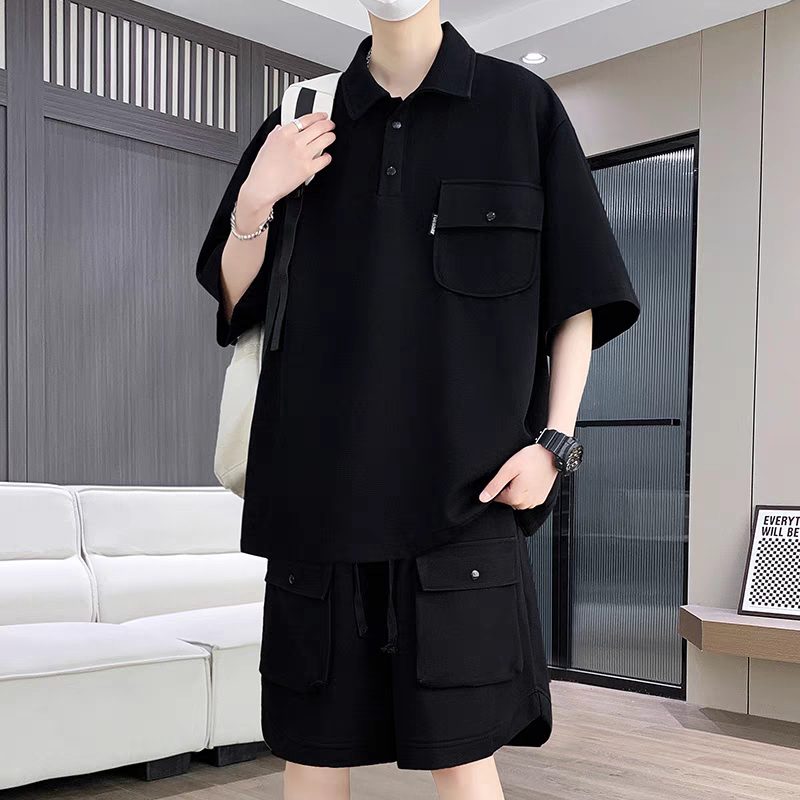
Even with verified suppliers and solid negotiation, bulk garments orders can arrive with quality issues. The solution is not to find perfect suppliers — there are none — but to implement a quality control process that catches problems before they reach your customers. Here is the quality control protocol used by successful African apparel retailers who source from China:
- Pre-production inspection: Ask your supplier to send pre-production photos of fabric cutting and initial assembly. Confirm color swatches match your approved sample before production proceeds.
- During-production inspection: For orders above $3,000 total value, hire a third-party inspection service in Foshan (cost: $150-300) to check workmanship, measurements, and packaging before shipment.
- Loading inspection: When your shipment is being loaded, request photos of packed cartons including carton count, carton weight, and pallet arrangement. Verify carton count matches your order quantity.
- Receiving inspection: Upon arrival at your destination port or warehouse, inspect 10-15% of units randomly before accepting the shipment. Document any defects with photos immediately. Report to your supplier within 72 hours of receipt for claim eligibility.
Start Building Your Supplier Relationships Today
Finding reliable clothing merchandise suppliers for men’s leisure suits and casual wear is a skill that compounds over time. Each order teaches you more about which suppliers can be trusted, which negotiate honestly, and which deliver what they promise. Start with a small order, verify quality before scaling, and invest in the supplier relationships that demonstrate consistent reliability. Within 6-12 months, you will have a shortlist of suppliers you trust completely — and that trust is the foundation of a profitable, scalable African apparel retail business.
Ready to connect with verified men’s leisure suit and casual wear suppliers who understand the African market? The suppliers referenced in this guide are available for direct inquiry with sample ordering and mixed-color MOQ options for first-time buyers.