Quick Answer: One Set Label Does Not Confirm Two Fits
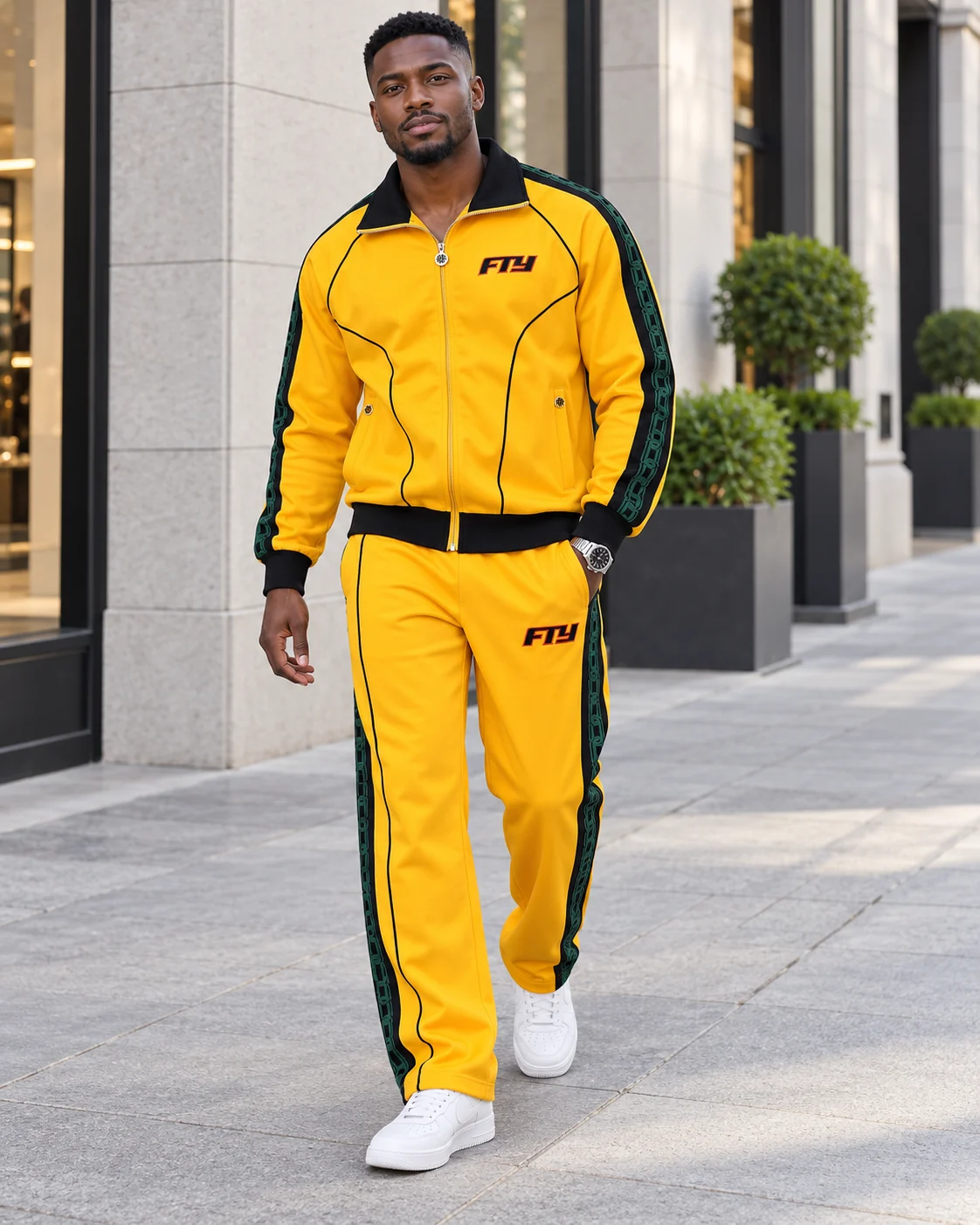
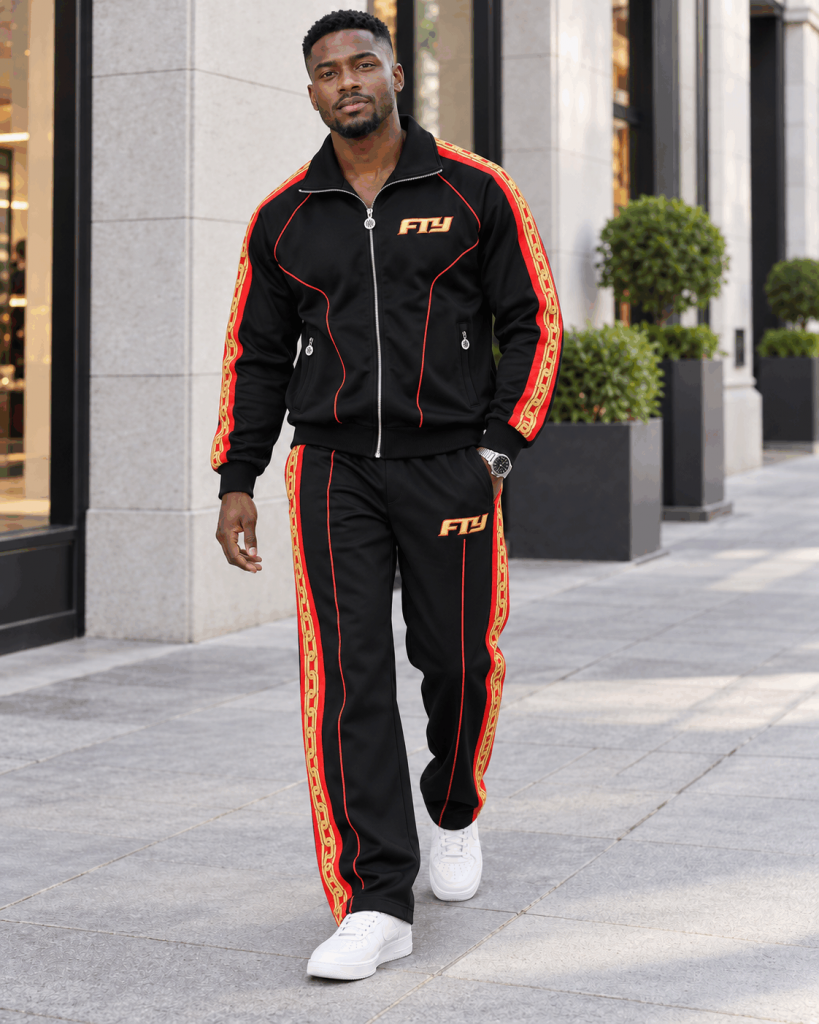
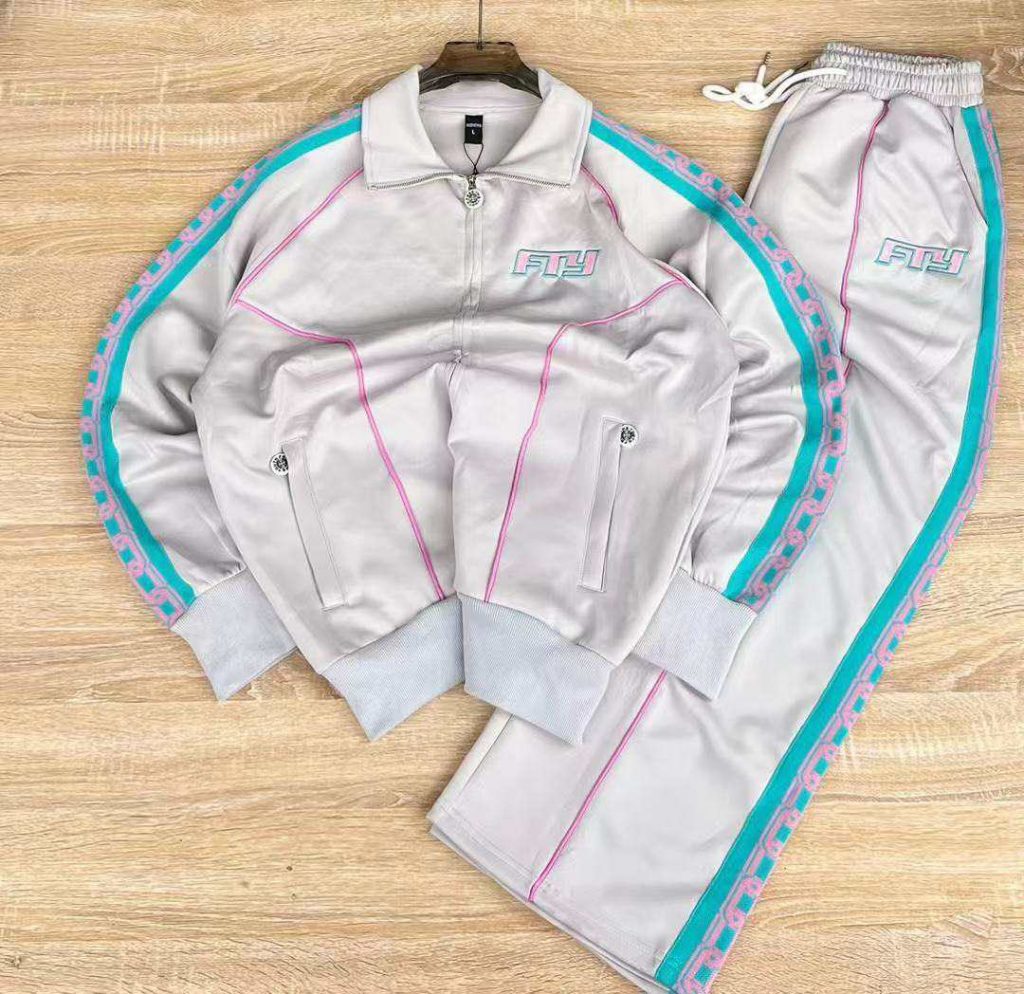
For men’s two-piece sets wholesale, assess the top and bottom independently before approving the combination. Request garment measurements for both pieces, confirm how they are taken and compare them with your intended customer measurements and fit preference. A shared size label does not explain chest room, waistband stretch, seat space or leg length. Ask whether top and bottom sizes are fixed together or can be ordered separately.
Separate Body Measurements from Garment Measurements
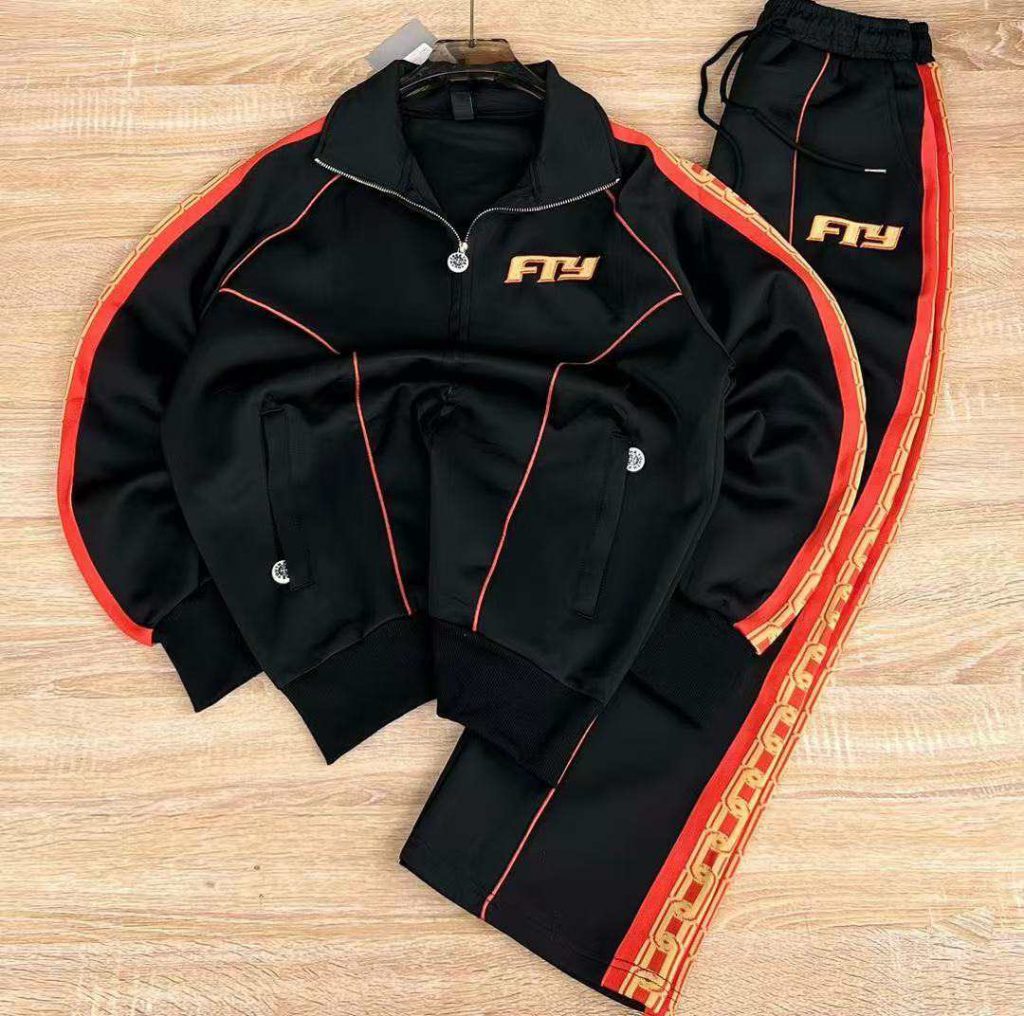
A body measurement describes the wearer; a garment measurement describes the item. Keep the two clearly identified in your brief. A flat garment width also needs an agreed interpretation before it can be compared with a circumference. Ask whether the supplied chart shows flat widths, full circumferences or another convention.
Fit depends on more than matching a number. The intended silhouette, layering and garment construction affect the room a wearer needs. Explain whether the customer should experience a close, regular or relaxed fit, and use a sample to assess that description instead of assigning a universal allowance.
Measure the Top Where Fit Decisions Happen
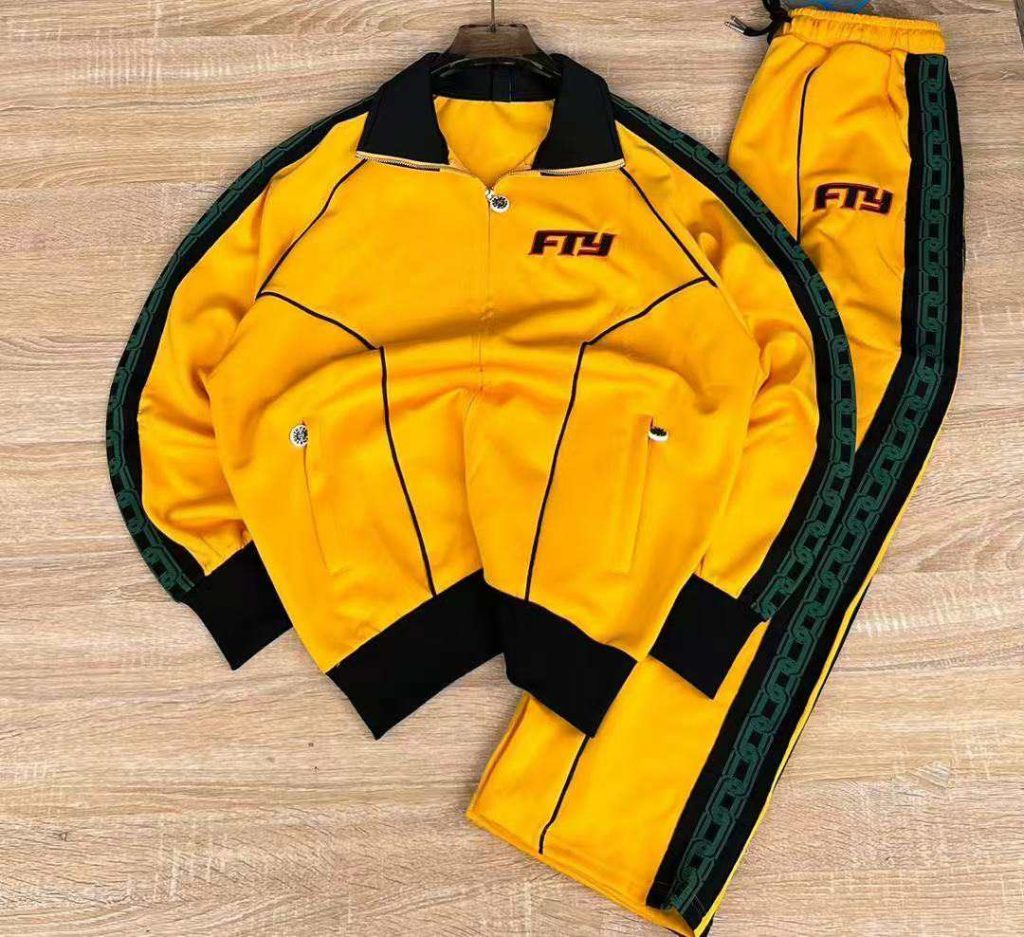
Request a diagram or written measurement method for the top. Chest width, shoulder width, sleeve length and body length are useful starting points, but the exact points must be defined. A shoulder measurement may be less directly comparable across different sleeve constructions, so compare like designs carefully.
Review the top in the posture and layering arrangement expected in use. Check reaching, sitting and dressing movements. Note whether the hem rises excessively, the neckline feels restrictive or the sleeve limits the intended activity. Record the sample reference, labelled size and wearer measurements alongside these observations.
Measure the Bottom Beyond the Waist Label
Ask how the waistband is measured and whether the chart records a relaxed or extended condition. If an extended measurement is provided, clarify the method rather than treating it as a recommended body size. Review the seat, rise, thigh and leg measurements as relevant to the style.
Check the trousers or shorts while standing, sitting and bending. An acceptable waist can coexist with a restrictive seat or uncomfortable rise. Similarly, the intended leg shape can be lost if the buyer chooses a larger size solely to gain more room in one area.
- Confirm the waistband measurement condition.
- Record where seat and thigh measurements are taken.
- Check front and back rise definitions.
- Distinguish inside-leg length from overall length.
- Assess hem or cuff opening against the intended silhouette.
- Document any fit concern separately from a measurement discrepancy.
Check the Matching Rules Before Building a Size Run
A buyer may need one top size and another bottom size for the same customer profile. Ask whether the proposed style is supplied only in fixed combinations, whether mixed sizes are possible and how any flexibility affects ordering and packing. Do this before committing to a size breakdown.
If you request XL, 2XL and 3XL, treat those labels as proposed requirements. Obtain the corresponding measurements for both garments and confirm the available combinations. Do not assume that a familiar label matches another supplier’s chart or that every style supports the same range.
Review Size Progression and Record the Approved Pair
Compare adjacent chart sizes to understand how the top and bottom change across the proposed range. Flag unclear entries, repeated numbers or unexpected jumps for clarification. A chart review can reveal questions, but it does not replace physical review where fit risk is significant.
Approve the pair with a written record covering garment references, measurement methods, the accepted chart version and unresolved points. Agree acceptable measurement variation with the sourcing contact. This gives later sample or order checks a consistent reference and reduces disputes caused by changing measurement methods.
Frequently Asked Questions
Can I assume the same size fits both pieces?
No. Evaluate the wearer’s upper and lower body needs separately. The set may use matching labels while its proportions suit some customers better than others, so confirm the combination with measurements and sample fitting.
What if the top fits but the trousers do not?
Identify the specific issue, such as rise, seat room or length. Ask about a different cut or mixed-size combination. Increasing the entire set size may create a new problem in the top.
Is a size chart enough to approve an unfamiliar style?
A clear chart supports comparison, but it cannot fully show movement, shape or wearing comfort. Decide whether to request physical samples based on how different the style and sizing are from your established assortment.
Send a Two-Piece Fit Enquiry
Send AfriWear Supply, your Guangzhou sourcing contact, references from the product range, your separate top and bottom requirements, destination and estimated quantities. Request measurement charts, set-matching options, samples and style-specific order terms through WhatsApp before finalising your size run.
Related Articles / You May Also Like


