Quick Answer: Describe Your Customers Before Choosing a Range
A useful brief for wholesale men’s tracksuits for African buyers names the destination country and city, explains where the garments will be sold, specifies the language needed for purchasing communication and supplies measured size requirements. Africa is not one uniform customer market. Your own customers, sales setting and fit evidence should guide the enquiry, rather than unsupported claims about what an entire country prefers.

Choose One Sales Context to Guide the First Enquiry
Start with the setting in which customers will assess the tracksuit. A shop where customers can try garments on has different information needs from a seller handling orders through messages. For remote selling, clear measurements and understandable product descriptions may be especially useful. For an in-person shop, sample fitting feedback can help you evaluate a proposed assortment.
Describe whether customers want the set for casual daily wear, travel, leisure or another stated purpose. Present these as your intended uses, not as proof that a garment has particular performance characteristics. If a material property matters to that use, ask for its specification and a sample assessment instead of inferring it from photographs.
Make the Destination Specific Enough to Act On
Record both country and city, then distinguish the commercial market from the delivery address. A buyer serving customers in one city may receive goods through another location. Explain that arrangement so the sourcing discussion and transport enquiry use the right information. Ask about delivery options separately; naming a market does not confirm a shipping route or customs outcome.
Add your selling channel and the purchasing decision you need to make. For example, you may be testing whether two proposed styles meet your customers’ fit expectations before deciding quantities. That is a clearer brief than asking for tracksuits suitable for all African customers. It also gives the contact a specific question to answer.

Request the Working Language Your Team Actually Uses
If your purchasing team in the DRC, Togo or Ivory Coast needs French, request French communication for the quotation, size explanation and order clarifications. This identifies the people who need that language; it does not imply that everyone in those countries uses only French. Confirm the preferred language with the actual decision-maker.
Keep style references and measurement units consistent when documents are translated. Ask for clarification where an unfamiliar garment term could change the order. An English sourcing article can help organize the enquiry, while the purchasing documents themselves can be requested in the language your team can review accurately.
Replace Size Assumptions with a Measurement Brief
Size labels alone are an uncertain basis for allocation. Request the measurement chart for each selected style and an explanation of how measurements are taken. Identify whether figures refer to the garment or the wearer’s body. Compare like with like, and record the units used before evaluating fit.
- Country, destination city and receiving location.
- Selling channel and intended wearing occasion.
- Purchasing contact and preferred working language.
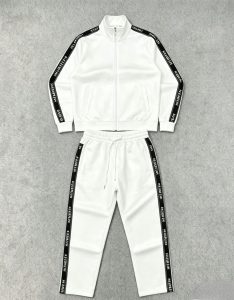
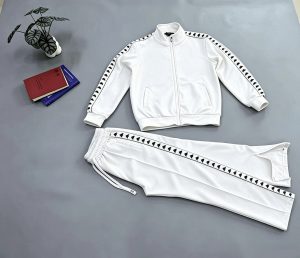
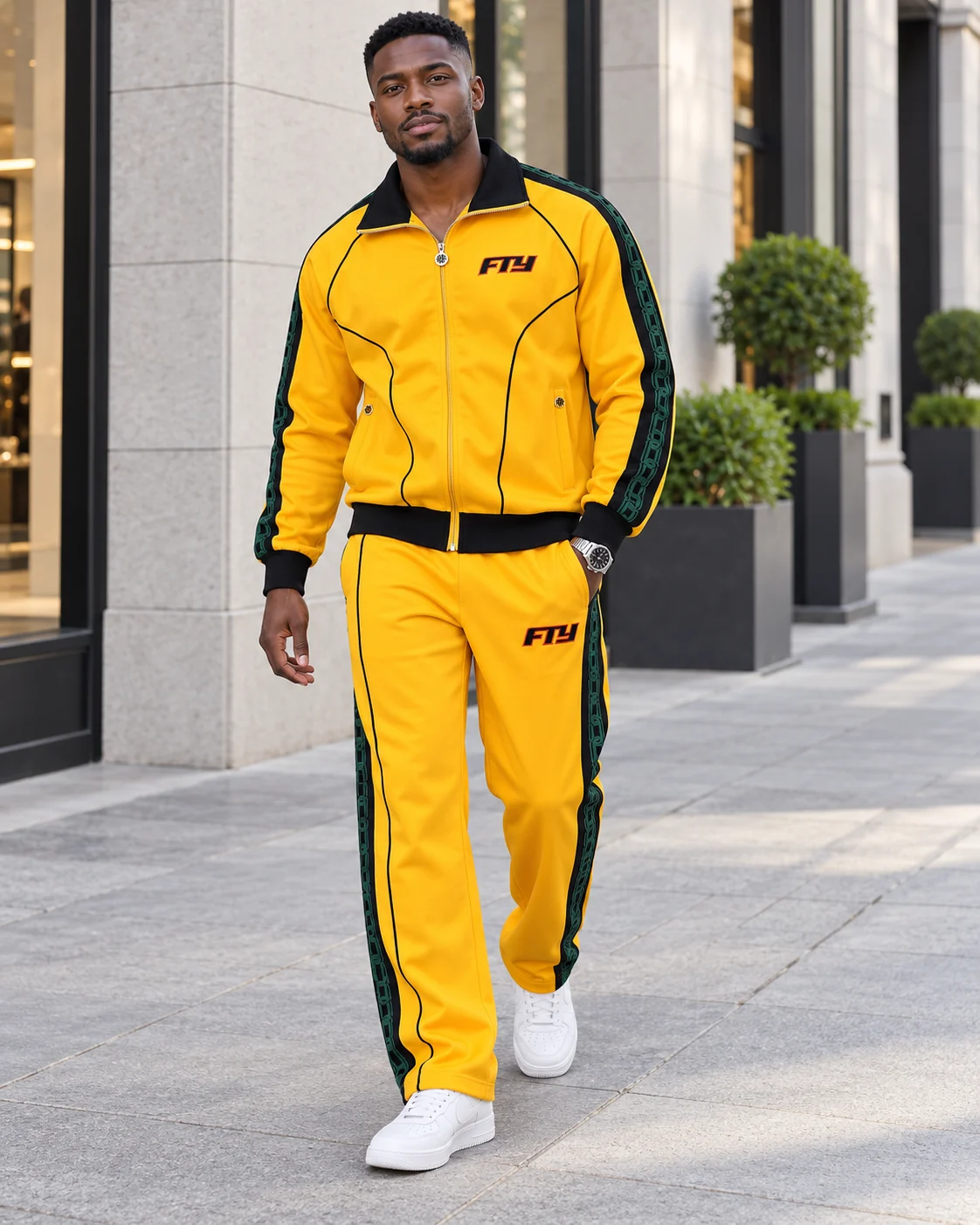
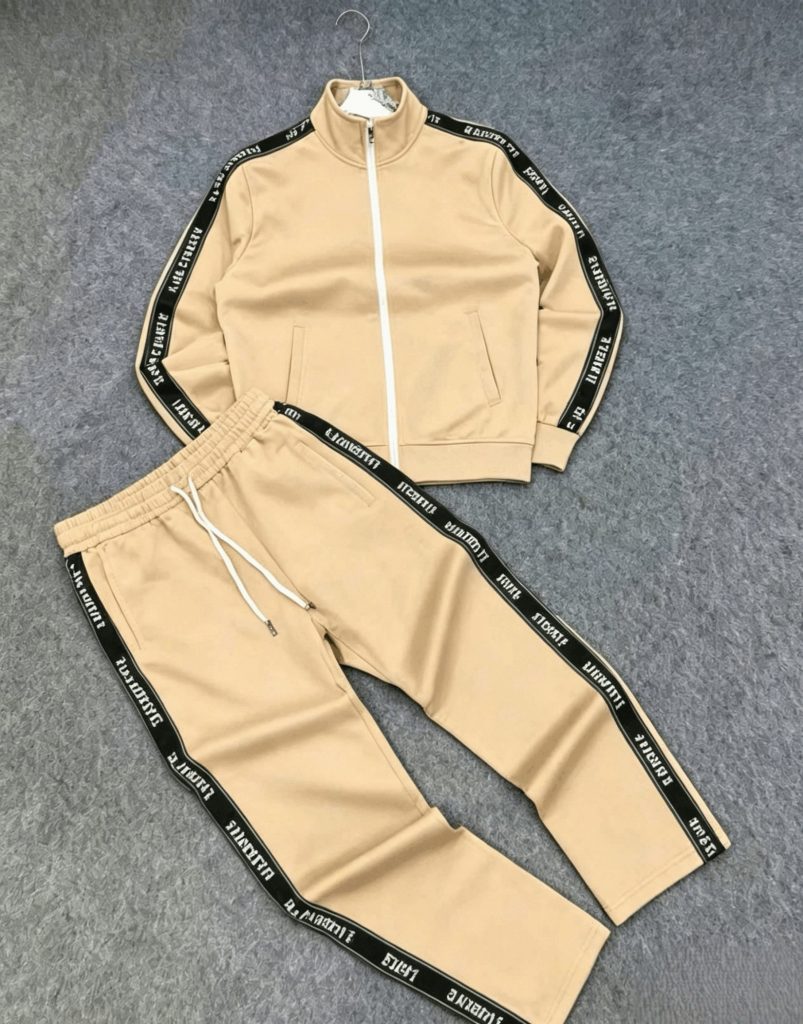
- Style references and required top-and-bottom combination.
- Requested labels, supported by target measurements.
- Sample feedback needed before quantity allocation.
XL, 2XL and 3XL may be listed as buyer requirements to investigate, but they should not be treated as a verified size range or a recommended national mix. If you have a garment that fits your customer group, measure it consistently and share those reference measurements. Ask the contact to identify differences from the proposed style.
Separate the Trial Decision from the Larger Order
Decide what a sample needs to establish: fit, appearance, set composition or another specific concern. Record feedback against those questions. Then revisit the size allocation and style selection before discussing a larger order. Ask for minimum quantities, available options and timing by style; none should be inferred from a general product enquiry.

Frequently Asked Questions
Can one tracksuit brief cover several African countries?
It can list several destinations, but separate the customer needs, language requirements and delivery questions for each. Do not assume the same assortment or size allocation fits every market.
Should I choose sizes from labels on product photographs?
No. Request the style-specific chart and measurement method. Use measured references and sample feedback to decide whether the proposed labels meet your customers’ needs.
Can I request French documents while researching in English?
Yes. State which documents and explanations your team needs in French. Ask the quoting contact to confirm what can be supplied before relying on translated information.
Send a Market Brief for Your Actual Customers
Contact AfriWear Supply as a Guangzhou sourcing contact with your city, selling context, language preference and measured fit requirements. Add tracksuit references and the questions a sample must answer. Send the brief on WhatsApp and request a style-specific response before deciding your order.
Related Articles / You May Also Like