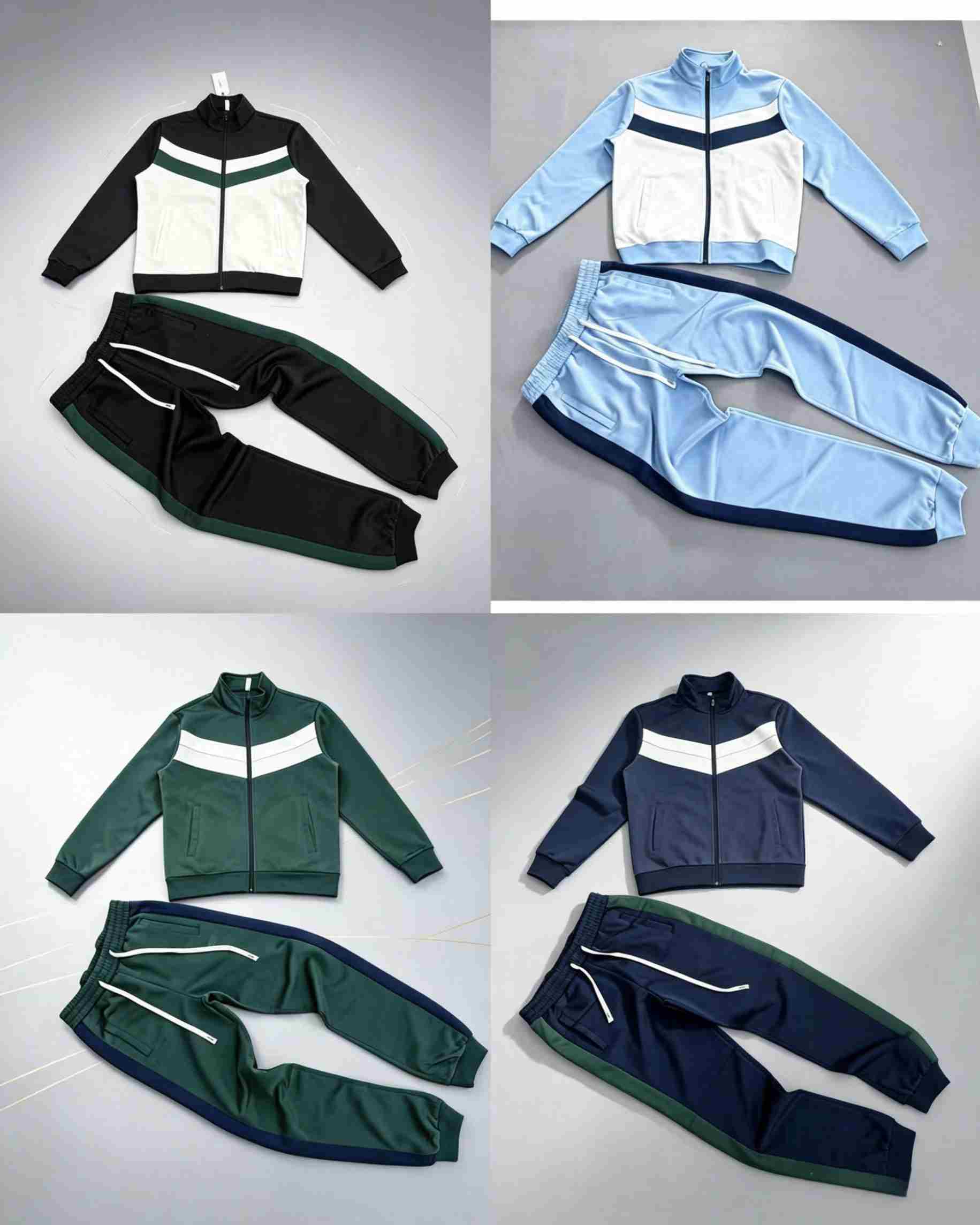

Every experienced African apparel retailer knows that bulk clothing purchases unlock the pricing power that makes the business profitable. The challenge is not buying in bulk — it is buying in bulk without overcommitting your cash flow, warehouse space, or inventory to items that do not move. This guide gives you the complete framework for bulk clothing purchasing that lets you access factory wholesale pricing while maintaining a healthy, manageable inventory.
Understanding Bulk Clothing Pricing Tiers
Factory pricing for bulk clothing follows predictable tier structures. Understanding these tiers lets you negotiate from a position of knowledge rather than guessing:
- 50-99 units: Base factory price. Ideal for testing new styles or entering a new market segment. Unit cost typically 10-20% above best bulk pricing.
- 100-299 units: Standard wholesale tier. Most wholesale apparel suppliers offer 10-20% discounts at this volume. The sweet spot for first-time African buyers.
- 300-499 units: Volume discount tier. 20-30% below base price. Requires existing supplier relationship and demonstrated reliability.
- 500+ units: Premium volume pricing. 30-40% below base. Requires significant capital and established sales channel confidence.

How to Calculate Your True Landed Cost
The factory price is only part of your bulk clothing cost. True landed cost — what each unit actually costs you when it arrives at your warehouse — includes: product cost, international shipping, import duties, port handling fees, inland transport, and currency conversion costs. Skipping this calculation is the most common mistake African retailers make when comparing wholesale prices.
For a men’s casual suit priced at $5-6 per unit factory price with a 300-unit bulk clothing order: Product cost = $1,650. Sea freight from Foshan to Lagos = $1.50 per unit ($450 total). Import duty at 20% of CIF = approximately $420. Port and handling = $150. Landed cost = approximately $2,670 / 300 = $8.90 per unit. At a $38 retail price, that is a $29.10 gross margin per unit — a 66% gross margin that justifies bulk clothing purchasing despite the complexity.
Managing Bulk Clothing Inventory Without Overcommitting
The biggest risk in bulk clothing purchasing is overstocking — tying up your capital in inventory that does not move. Here is the framework successful African retailers use:
- Never invest more than 40% of your apparel capital in a single bulk clothing order. Spread purchases across 3-4 different product categories.
- Use your sales velocity from previous orders to estimate how long a bulk order will take to sell through. If you sell 50 units of a style per month, a 200-unit order covers 4 months.
- Order daily wear items in bulk first — these have the most predictable demand and lowest risk of becoming dead stock.
- Reserve 20% of your bulk clothing budget for replenishment of your best-selling items rather than always chasing new products.
The goal of bulk clothing purchasing is not to buy as much as possible — it is to buy exactly the right quantity of the right items at the right price, with enough left over to stay agile and responsive to your market.