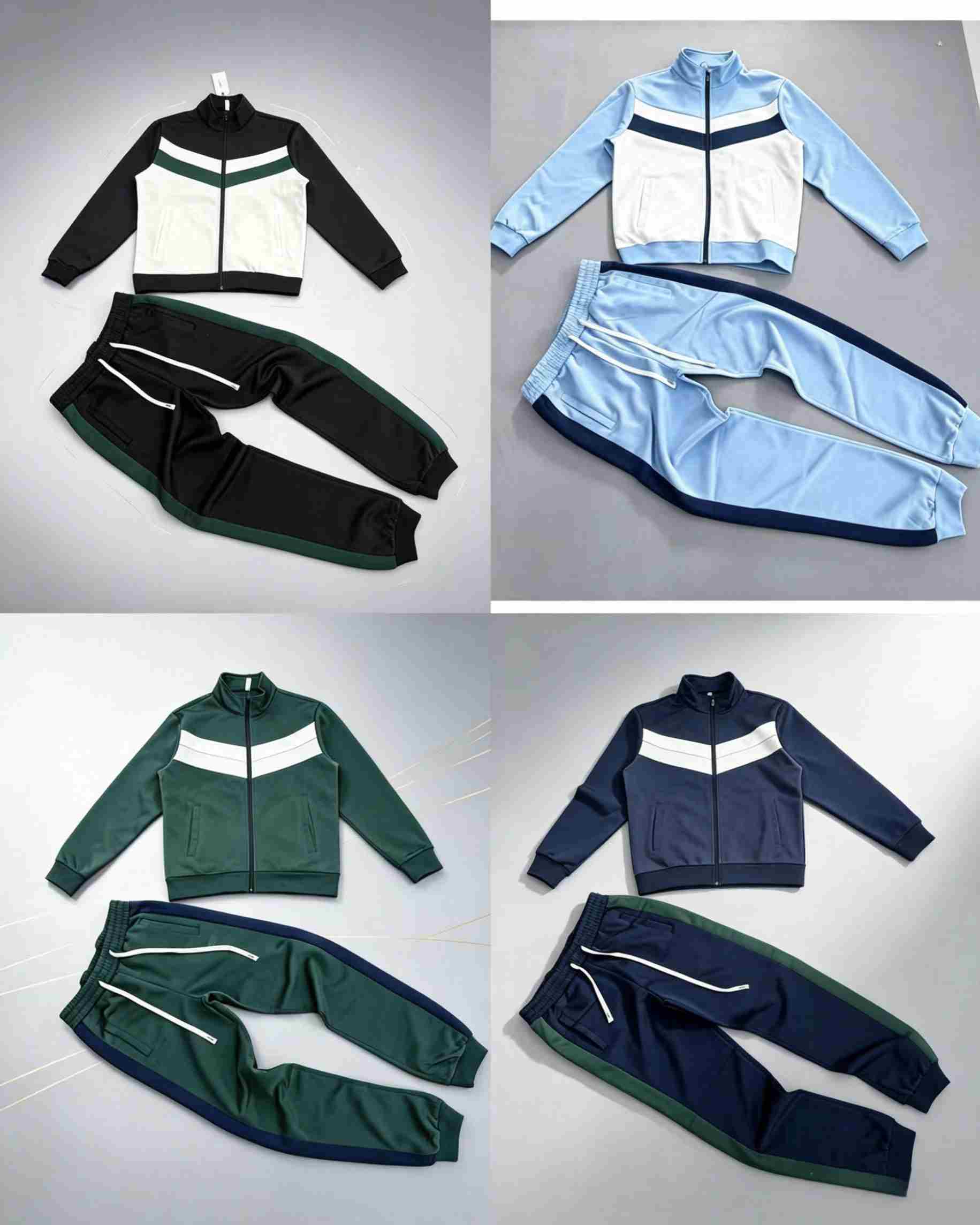
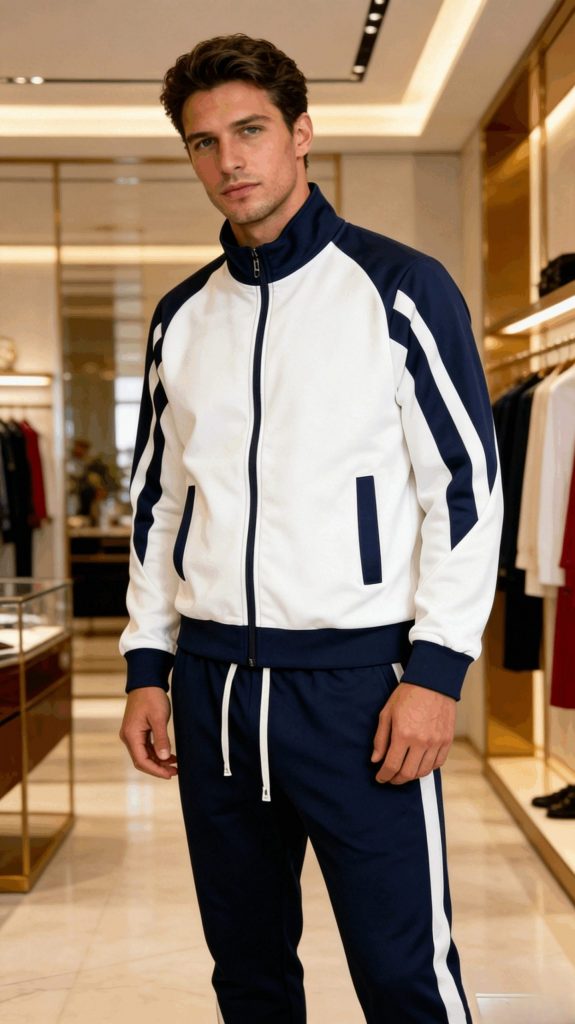
Quick Answer
For African clothing retailers, finding reliable suppliers who offer men’s casual suits, bulk clothing and daily wear at factory prices has always been a challenge. Traditional trade routes mean dealing with multiple middlemen, high minimum orders and long travel requirements. That is exactly why more smart retailers across Nigeria, Ghana, Kenya and South Africa are now turning to wholesale apparel online platforms to source directly from manufacturers in Guangzhou, China.
A good wholesale order should be based on the destination country, climate, fabric weight, size measurements, style mix, color palette and reorder plan. Before placing a bulk order, request the current catalog, sample details, exact size chart, MOQ, available colors, packing information and shipping quotation. Factory-direct pricing from Guangzhou usually offers a 30-50% margin advantage compared to local distributors.
Browse AfriWear Supply’s current men’s casual suit collection or request the latest wholesale catalog on WhatsApp.
Men’s Casual Suits and Daily Wear at a Glance
- Product range: Men’s casual suits, leisure suits, daily wear trousers, knit tops and matching sets
- Common fabric: Polyester-viscose blend, cotton-polyester blend, French terry, fleece
- Size range: XL 2XL 3XL with elastic waist and relaxed fit (additional sizes available on request)
- MOQ range: 50-100 pieces for ready stock, 300+ for custom branding
- Lead time: 7-15 days for ready stock, 25-35 days for custom production
- Shipping coverage: Sea and air to all 54 African countries
- Best first step: Confirm a current sample, fabric specification and measurement chart

What Is Wholesale Apparel Online?
Wholesale apparel online means buying finished garments directly from a manufacturer’s catalog through digital channels, primarily WhatsApp, email, Instagram or B2B platforms, instead of through local distributors. For African retailers, the online approach delivers three practical advantages:
- Margin retention. A men’s casual suit that costs $5-8 at the factory can cost $20-35 from a local distributor. The middleman layer between Guangzhou and Lagos can add 200-400% to the factory price.
- Sample verification. A factory-direct relationship gives the buyer access to fabric specifications, GSM reports and pre-shipment inspection. The buyer knows exactly what is being shipped before payment clears.
- Customization flexibility. Logo embroidery, woven labels, hang tags and packaging can be adjusted without going through several middlemen. The trade-off is that the buyer must do more verification work themselves.
For a retailer ordering 100 pairs of men’s casual suits, the difference between factory-direct and distributor pricing could mean an extra $1,500-2,000 in profit margin. That gap is what makes online wholesale attractive for African retailers who want to grow their business.
Men’s Casual Suit: The Most Profitable Category for African Retailers
When it comes to men’s fashion in Africa, the men’s casual suit category is proving to be one of the most profitable segments right now. A well-tailored men’s casual suit works equally well for the office, social events or weekend outings.
Retailers who stocked men’s casual suits in 2025 reported sell-through rates of 85%+ within the first month, according to industry reports from major African trade hubs. If you are sourcing men’s casual suits for your store, look for:
- 65% polyester / 35% viscose or 70% polyester / 30% cotton blends for year-round wear
- 240-320 GSM fabric weight for cooler evenings and air-conditioned offices
- Single-breasted two-button jacket with side vents for modern fit
- Flat-front trousers with elastic waistband for comfort and adjustability
- Half or full lining in the jacket for structure and drape
The casual suit category supports higher retail prices than tracksuits or joggers, which is why it sits at the top of the African retailer’s margin ladder.
Bulk Clothing: How to Buy Without the Overstock Risk
Bulk clothing is the volume category, but it carries the biggest overstock risk if the buyer’s selection is wrong. The most reliable approach is to start with a smaller test order, measure what sells, and reorder based on real demand.
A practical first order for bulk clothing can include:
- 2 to 3 styles
- 2 to 4 colors per style
- 4 to 6 sizes per color
- Total of 200 to 400 pieces
This is enough to test the market without tying up too much capital. Use the reorder data to plan the second order. A retailer who does this for two seasons usually has a clear picture of which styles, colors and sizes actually sell.
The same rule applies whether you are buying tracksuits, casual suits, knit tops or daily wear trousers. Start small, measure, then scale.
Daily Wear: The Volume Driver in Every African Retail Store
While men’s casual suits bring high margins, daily wear is what drives volume. Daily wear includes basic trousers, knit tops, t-shirts, polo shirts and casual shorts. These items are sold at lower unit prices but at much higher unit counts.
A practical daily wear inventory mix for an African retailer can include:
- 50% casual trousers and shorts in cotton-polyester blends
- 25% basic knit tops and polo shirts in pique or jersey knit
- 15% matching sets and loungewear
- 10% premium or fashion items for upsell
This mix supports consistent customer traffic. A customer who comes in for a casual suit also picks up a basic polo or a pair of trousers on the same visit. That basket lift improves annual gross profit without raising the buyer’s unit cost.
Why Guangzhou Is the Smart Choice for African Retailers
Guangzhou is one of the world’s largest garment manufacturing centers, with thousands of factories producing men’s casual suits, tracksuits, denim, activewear and every other category in this guide. For African retailers, Guangzhou offers three irreplaceable advantages:
- Factory prices 40-60% below local distributors. A men’s casual suit priced at $5-8 per unit at factory level retails through African distributors at $20-35 or more. That gap is pure margin the buyer captures by sourcing direct.
- Minimum order quantities starting at 50-100 units per style. Most Guangzhou factories that work with African buyers offer flexible MOQs for retailers entering their first bulk order.
- Complete product range under one roof. Suits, tracksuits, denim, activewear, polo shirts, joggers — buyers can source their entire men’s wear catalog from Guangzhou factories without managing multiple suppliers.
The math is straightforward: a retailer in Lagos buying 300 men’s casual suits at $5 per unit from Guangzhou pays $1,500 in product cost plus approximately $3,000 in landed costs for a total of $4,500. At a $28 retail price, that is a gross margin of $23.50 per unit.

How to Choose Fabric for Casual Suits and Daily Wear
Fabric quality drives comfort, durability, drape and price. Before committing to a supplier, ask these questions:
- What is the exact fabric composition for the jacket and the trousers?
- What is the GSM weight of each piece?
- Does the fabric stretch, and how much?
- Is the lining fixed or half-lined?
- Has the color been tested for washing, rubbing and light?
- Does the fabric pill after repeated wearing?
- Will the bulk production use the same material as the approved sample?
For warmer African markets, lighter and more breathable fabrics may be easier to sell. For cooler seasons or higher-altitude regions, heavier fabrics with full lining create a stronger value proposition.
Size Planning for Casual Suits and Daily Wear
Ordering Asian-sized stock is the most expensive mistake in sourcing apparel for Africa. When a customer in Douala buys an XXL that fits like a Chinese XL, they do not come back. Always ask the supplier for actual measurements in centimeters.
A practical first order for an African retailer usually starts with XL 2XL 3XL covering 70-80% of the size mix. Additional sizes are available on request. Confirm the actual measurements for each size label before approval.
Color and Style Selection
A first order should have enough variety to attract customers, but not so many options that inventory becomes fragmented. A practical selection can include:
- Neutral colors (black, charcoal, navy) for core everyday demand
- One or two mid-tones (burgundy, olive, dark brown) for variety
- A classic two-piece style without extra details
- A style with a textured fabric or contrast trim
- A lightweight option where the climate requires it
When contacting a supplier, use item numbers and list the quantity for each color and size. This is more precise than saying “send popular colors.”
Quality Checks Before Bulk Production
Inspect the Stitching and Seams
Check the shoulder seam, side seam, sleeve join, trouser rise and buttonhole stitching. Loose threads or skipped stitches are early signs of a weak production run.
Check the Lining and Interlining
Open the jacket and feel the inside. The lining should sit smoothly without bubbling or pulling. Patches of uneven interlining indicate inconsistent production.
Measure Both Pieces Against the Size Chart
Compare the sample with the approved size chart. Measure both pieces and check whether the cuffs, hem and trouser legs are even.
Test Washing and Color Stability
Follow the supplier’s recommended washing instructions and record the result. Check shrinkage, color change, pilling and seam movement. Keep the approved sample and measurements for comparison.
Confirm the Packing List
Before shipment, confirm item number, color, size, quantity per polybag, pieces per carton, total carton count and carton marks.

What to Include in a Casual Suit and Daily Wear Inquiry
A complete inquiry helps the supplier respond with useful information. Include:
- Destination country and city
- Product or item number
- Estimated quantity per size and per color
- Required colors
- Required sizes
- Ready stock or custom production
- Logo or packaging requirements
- Target delivery date
- Preferred shipping method
You can use this message:
Hello AfriWear Supply, I am interested in men’s casual suits and daily wear wholesale for the African market. My destination is [country and city]. I need approximately [quantity] pieces in XL 2XL 3XL. Please confirm the current item numbers, MOQ, wholesale price, size chart, packing details, dispatch or production time, and shipping options.
Casual Suits and Daily Wear Wholesale Checklist
Before paying for an order, confirm:
- Product sample approved and labeled for reference
- Fabric composition and GSM weight for both pieces
- Size measurements for jacket and trousers
- Color list with reference
- Quantity by color and size
- MOQ per style and per color
- Unit price and currency
- Packing quantity per carton
- Production or dispatch time
- Shipping method and destination cost
- Inspection arrangement
- Payment terms
- Return or quality-claim process
Frequently Asked Questions
What is the typical MOQ for casual suits and daily wear wholesale?
Ready stock can start at 50-100 pieces per style per color. Custom-branded sets usually start at 300 pieces per design. Always confirm the MOQ in writing before placing the order.
Do Guangzhou factories ship to all 54 African countries?
Most Guangzhou-based exporters cover Lagos, Accra, Nairobi, Johannesburg, Kinshasa, Addis Ababa and other major cities via sea or air freight. Confirm the exact transit time, route and destination cost for the buyer’s city before approval.
Can I add my own logo to casual suits and daily wear?
Custom branding, including logo embroidery, custom labels and packaging, is usually available at MOQs of 300 pieces per design. Ask the supplier to confirm the artwork file format, additional cost and extended lead time before approval.
How long does delivery take to African cities?
Sea shipping to West Africa typically takes 25-40 days. Air freight is faster but more expensive. Confirm the route, transit time and destination cost for the specific city before approving the shipping method.
How do I verify quality before the bulk production?
Request samples, photos and short inspection videos. Confirm a written quality standard. For larger orders, arrange a pre-shipment inspection by a third-party agency or by visiting the factory yourself.
Request the Current Catalog
The strongest wholesale decision comes from matching a real product specification with a real customer group. Start with a sample, confirm the measurements and make the first order easy to check.
View the current AfriWear Supply product collection or request the latest catalog and wholesale quotation on WhatsApp.


