
Discovering a difference between an approved tracksuit sample and delivered garments creates two immediate jobs: understand the scope of the problem and communicate it accurately. A men’s tracksuit supplier needs a specific record to investigate. A general complaint such as “the quality is different” leaves too much uncertain. A useful record identifies the agreed reference, the observed difference, the affected units, and the decision you need next.
Quick Answer: Compare the Approved Sample with the Delivered Garment
Set aside affected garments, preserve the approved sample, and document differences under comparable conditions. Link each observation to the order reference and approval record. Report what you checked and what remains unchecked. Request an investigation and a written remedy proposal, then confirm the scope, costs, responsibilities, and completion conditions before agreeing to a solution.
Preserve the Reference Before Examining More Pieces
Locate the sample approval message, specification sheet, order version, and any later agreed changes. Check whether the delivered garments were ordered against that exact reference. A difference may involve an unrecorded change, a picking error, or a production issue; do not assign a cause before reviewing the evidence. Keep the approved sample labelled and separate from delivered stock.
Set aside the garments already identified as different and retain their original labels and packaging. Record carton references where available. Avoid altering, washing, repairing, or relabelling these pieces before agreeing on the investigation process. Such changes can make a later comparison harder and may affect which remedies remain practical.
Describe Each Difference in Observable Terms
Compare like with like: the same style, colour reference, size, and garment component. Photograph the sample and delivered piece together under similar lighting. Include a close view of the disputed detail and a wider view showing its location. Colour photographs can be affected by screens and lighting, so describe them as visual records rather than definitive colour measurements.
- Identify the order, style, colour, size, and carton or unit reference.
- Describe the specific difference, such as a pocket shape or seam position.
- Record measurements using the agreed method and named measuring points.
- State how many units you examined and how many showed that issue.
- Attach dated photographs and the relevant approval reference.
- Separate observed facts from suspected causes and requested outcomes.
If material composition is disputed, appearance and touch alone may not settle the question. Ask what supporting documents or appropriate verification could resolve it. Do not present a visual impression as a laboratory finding. Likewise, a measurement difference should be compared with agreed tolerances where these exist, rather than with a tolerance invented after delivery.
Explain the Scope Without Exaggerating It
If you checked only part of the shipment, report the checked quantity and describe the rest as unexamined. Do not call every garment defective because several pieces differ. Conversely, do not release the remainder solely because a few pieces look acceptable. Agree on how further checks will be selected and recorded before drawing a shipment-wide conclusion.
Keep different issues on separate lines. A missing component, a size discrepancy, and a packaging error may need different responses. Note which issues prevent sale or use and which need clarification. This helps the contact investigate without confusing a confirmed functional problem with a preference that was never included in the order.
Discuss a Remedy with Clear Completion Conditions
Send a concise discrepancy report and request acknowledgement, investigation, and a proposed next step. Possible discussions may include replacement, rework, return arrangements, or a commercial adjustment, depending on the agreement and findings. These are negotiation options, not automatic entitlements or promised outcomes. Confirm any proposed action in writing before moving or modifying goods.
For the selected remedy, specify affected quantities, transport responsibilities, any charges, an agreed schedule, and the evidence needed to confirm completion. Preserve the original record alongside the revised agreement. Before a future order, ask how the approved reference and change-control process will be carried forward.
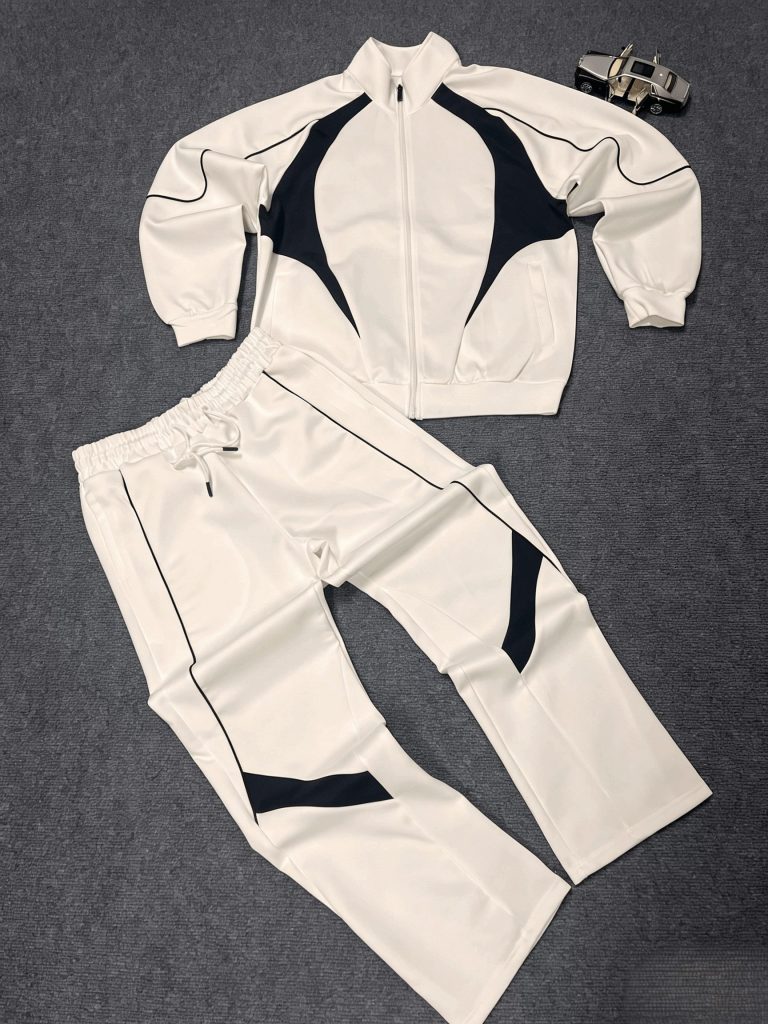
Frequently Asked Questions
Should I send photos before checking the whole shipment?
Yes, an early report can identify a concern. State exactly how many pieces you checked and avoid claiming that the initial findings represent every unit.
Does every visible difference justify rejecting an order?
Assess the difference against the approved specification, agreed tolerances, and relevant order terms. Keep your requested response proportionate to the documented issue.
What if the approved sample cannot be found?
Use available approval messages, specification versions, and dated images, while acknowledging the missing physical reference. Agree how the comparison can be established.
Ask for Help Organising the Comparison
Message AfriWear Supply, a Guangzhou sourcing contact, on WhatsApp with the style reference, approval record, checked quantities, and discrepancy photographs. Explain the outcome you want discussed and request a written review of the specific issue before accepting a remedy.
Related Articles / You May Also Like