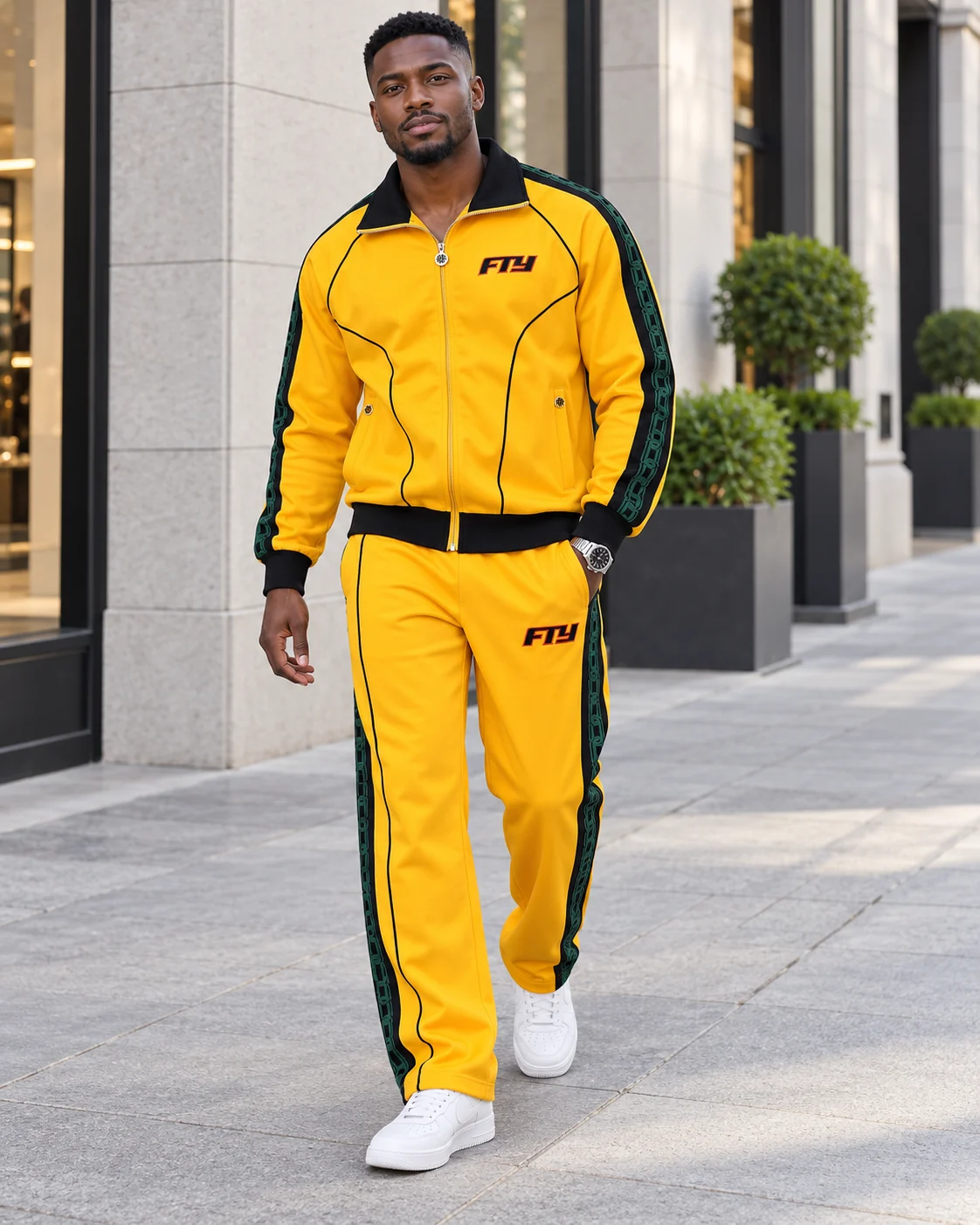

Ethiopia Casual Sportswear Size and Assortment Guide is a practical sourcing guide for buyers comparing men's casual sportswear from Guangzhou. It focuses on size and assortment planning for Ethiopia and turns a broad inquiry into product, size, packing and confirmation steps that can be reviewed before payment.
Quick Answer
For Ethiopia, begin with one product reference, the destination city, estimated quantity, preferred colors and an XL, 2XL, 3XL size matrix. Then confirm size and assortment planning with current photos and written order details. Do not assume a fixed MOQ, price, production time, stock level or shipping result until the specific order is checked.
Browse current wholesale products or send a structured WhatsApp request.
At a Glance
- Market route: Ethiopia – Addis Ababa, Dire Dawa and Adama
- Product: men's casual sportswear
- Decision focus: size and assortment planning
- Size planning: XL, 2XL and 3XL; additional sizes on request
- Evidence: current product photos and a written color-by-size matrix
- Next step: send product, quantity, colors, sizes and city on WhatsApp

How this buying decision applies to Ethiopia
Buyers serving Addis Ababa, Dire Dawa and Adama should begin with a defined resale situation rather than a broad request for the lowest price. For men's casual sportswear, the useful starting point is size and assortment planning. Addis Ababa buyers can use a measurement sheet and a limited style matrix to make a first assortment easier to review. Write the destination city, sales channel and target customer beside the product reference. This gives the supplier context without turning assumptions about the local market into facts. It also helps the buyer separate product selection from transport, customs and local retail decisions that may be handled by other parties.
Confirm XL, 2XL and 3XL with measurements
Size labels are not enough because fit can vary by style and supplier. Ask for garment measurements covering the jacket chest and length, waist, hip and pants length as relevant. Use XL, 2XL and 3XL as the planned large-size range, with additional sizes available on request. Record the quantity by color and size in one matrix. The ISO clothing-size reference explains why measurements, not names alone, are important, but the order must still use the supplier's actual size chart and the buyer's market evidence.
Use current product evidence before confirmation
Ask for recent front and back photos and close-ups of the details that affect this order. For men's casual sportswear, that may include fabric texture, stripe placement, zipper, pockets, cuffs, waistband, labels and size marks. Compare the images with the product code and written specification. A catalog photo is useful for style selection, but it is not proof that every color and size is currently available. Mark each item as pending or approved so the final order record is unambiguous.
Build a readable style, color and size assortment
For Ethiopia, start with a range that can be tracked after sale. Separate core colors from fashion tests, and give every style one product code. Keep enough quantity in each selected color and XL-3XL size to learn something from the test. Core colors should appear as a line in the order sheet rather than a comment buried in chat. A clear assortment helps the buyer identify fast sellers, slow stock and the exact combinations worth repeating.

Compare options for size and assortment planning
Create a side-by-side comparison using the same quantity and the same product reference. Compare current photos, fabric information, color options, XL-3XL availability, branding requirements, packing scope and the quotation basis. For Ethiopia, the comparison should also note the destination city and forwarder handoff. Do not compare one supplier's ready-stock offer with another supplier's custom offer as if they were identical. Differences in specification and service scope can make a low number misleading.
Ask suppliers the same decision questions
Send each supplier the same style, quantity, color and size brief. Ask for current photos, quotation basis, order type, packing details and the approval steps before shipment. Record answers in one comparison sheet. A useful reply should identify what is confirmed and what still needs checking. This approach is more reliable than choosing from a price sent without context, and it makes follow-up easier when the buyer compares several men's casual sportswear options for Ethiopia.
Define the quality checks before shipment
Write the visible checks before the order is packed. Include style and color match, measurements, stitching at stress points, zipper movement, waistband recovery, print or embroidery position, labels, individual packing and carton marks as relevant. For Ethiopia, the buyer can request photos or arrange an inspection based on order risk. The checklist should match the approved specification. It should not promise that photos alone can detect every hidden material or production issue.

Confirm packing and forwarder handoff
Ask how each set is packed, how colors and sizes are separated, how many sets go into each carton, and when carton dimensions and weight will be available. Agree the shipping mark before sealing cartons. Use the same product codes in the order sheet and packing list. When discussing transport responsibilities, use the official ICC Incoterms reference as a terminology guide and confirm the exact scope with the seller and forwarder for the actual order.
Make the final buying decision
The final decision should connect the product evidence, core colors, quantity, XL-3XL size matrix, packing plan and destination instructions. Mark every uncertain item for confirmation. A draft order is ready for quotation only when the supplier can identify the exact style and the buyer can explain how the assortment will be checked after arrival. This keeps the discussion practical while avoiding unsupported promises about price, availability, delivery time or resale performance.
What to Include in the Wholesale Inquiry
Keep the message short enough to read, but detailed enough to quote. The product photo and order matrix should carry the detail; the message should identify the market and the decision that needs confirmation.
Hello AfriWear, I am buying men's casual sportswear for Ethiopia (Addis Ababa). Product reference: [photo or code]. Quantity: [quantity]. Colors: [colors]. Sizes: [XL/2XL/3XL]. Please confirm current options, size and assortment planning, packing details and quotation steps.
Wholesale Buyer Checklist
- Destination country and city are written clearly
- Each product photo has one item code
- Quantity is split by color and XL, 2XL, 3XL
- Fabric, trim or logo requirements are written
- Current product evidence has been requested
- Measurements are compared with the size chart
- Packing and carton questions are listed
- Forwarder handoff details are separated from product price
- Unconfirmed items are marked pending
- The final order sheet has a date and version
- Pre-shipment photos or inspection scope is defined
- Repeat-order notes will be tracked by SKU
Reference for Measurements or Trade Terms
Use the ISO 8559 clothing measurement reference as a terminology reference. It does not replace the supplier size chart, forwarder instructions or the terms agreed for the actual order.
Related Decision Guide
Continue with Wholesale Size Planning for African Buyers. It provides the wider buying context, while this page keeps the questions specific to Ethiopia.
Frequently Asked Questions
What should a Ethiopia buyer send first?
Send the city, product photo or item code, estimated quantity, preferred colors and XL, 2XL, 3XL size mix. Add the specific question about size and assortment planning so the reply addresses the buying decision.
Can colors and sizes be mixed?
A mixed order can be requested, but the available combination depends on the product, stock or production plan and quantity. Send one color-by-size matrix and ask the supplier to mark what can be confirmed.
How should large sizes be checked?
Ask for actual garment measurements and confirm availability by style and color. XL, 2XL and 3XL labels should be checked against the supplier's size chart before the order is approved.
Which photos are useful before shipment?
Request front, back and relevant detail photos together with labels, size marks, individual packing and cartons. Match every photo to the approved item code and order sheet.
What should be reviewed after a test order?
Record sales, returns and customer comments by item code, color and size. Use those notes to shape a repeat order and confirm the current product batch again.
Request the Current Catalog
Review the AfriWear product gallery, open the matching market route, and send the product code, country, city, quantity, colors and XL-3XL size mix. AfriWear will check the current options and the next quotation steps for the specific request.
Other African Wholesale Markets We Serve
We also supply wholesale clothing directly from our Guangzhou factory to retailers across the following African markets:
Related Articles / You May Also Like


