
Quick Answer
Buying bulk clothing can lower the unit price, but the cheapest quotation is not automatically the most profitable order. African retailers should compare factory price, freight, duties, handling, payment cost, storage and expected sell-through before committing cash. A controlled first order based on verified local demand is often safer than buying a large volume before testing the product.
MOQ and customization thresholds vary by style, stock status, fabric, color and branding. Ask for the current rule in writing for the exact product you want. Build the first size plan from your own customer data, then confirm actual garment measurements in centimeters before ordering.
Browse AfriWear Supply’s current collection or request the latest wholesale catalog on WhatsApp.
Bulk Clothing Buying at a Glance
- Sourcing location: Guangzhou, China
- Product range: Men’s casual suits, tracksuits, denim, polo shirts and activewear
- Common fabric: Cotton-polyester blend, polyester-viscose blend, fleece and French terry
- Size planning: Confirm available sizes and actual garment measurements for each style
- MOQ: Request the current rule for the exact style, color, stock status and branding
- Schedule: Confirm current dispatch or production timing in writing
- Shipping: Confirm the available route and destination scope for the current order
- Best first step: Request quantity-based pricing and calculate landed cost per unit
How Bulk Clothing Pricing Works
Factory quotations usually change when quantity changes. However, the price tier must be compared with the total cash commitment. A lower unit price can still create a loss if too much inventory sits unsold.
Ask for at least three tiers, such as:
- A small ready-stock test order
- A regular wholesale reorder
- A custom-branded or higher-volume order
Request that the supplier state whether each tier is calculated per style, per color or across the complete order. A quote for 300 pieces across all colors is different from a 300-piece minimum for every colorway.
Avoid comparing suppliers with a generalized price benchmark. Ask each supplier to quote the same product specification, quantity, size mix, packing and trade term so the offers can be compared fairly.
Calculate the True Landed Cost
Use this formula before comparing suppliers:
Landed cost per unit = product cost + freight + insurance + duties + port handling + customs clearance + inland transport + payment and inspection costs, divided by sellable quantity.
Also account for damaged goods, shortages, currency conversion and storage. If 300 ordered pieces produce only 294 sellable pieces, divide total spend by 294 rather than 300.
Ask suppliers for FOB, CIF and DDP options where available. FOB offers control but requires your own freight process. DDP can simplify first orders, but the quotation should specify destination, duties and delivery scope clearly.
How Much Should You Buy for the First Order?
Start with an amount that can be sold within one normal selling cycle. Use recent sales, pre-orders, store count and replenishment timing to set the test quantity without tying up excessive cash.
A practical test-order process is:
- Select two or three product styles.
- Order samples and verify fabric and measurements.
- Place a controlled test quantity across the strongest styles.
- Track sales by size, color and city.
- Reorder the winners and reduce slow colors.
Do not treat a container-size discount as a benefit if the added stock will require heavy discounting later.
Inventory Planning by Product Category

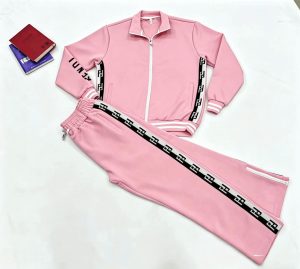
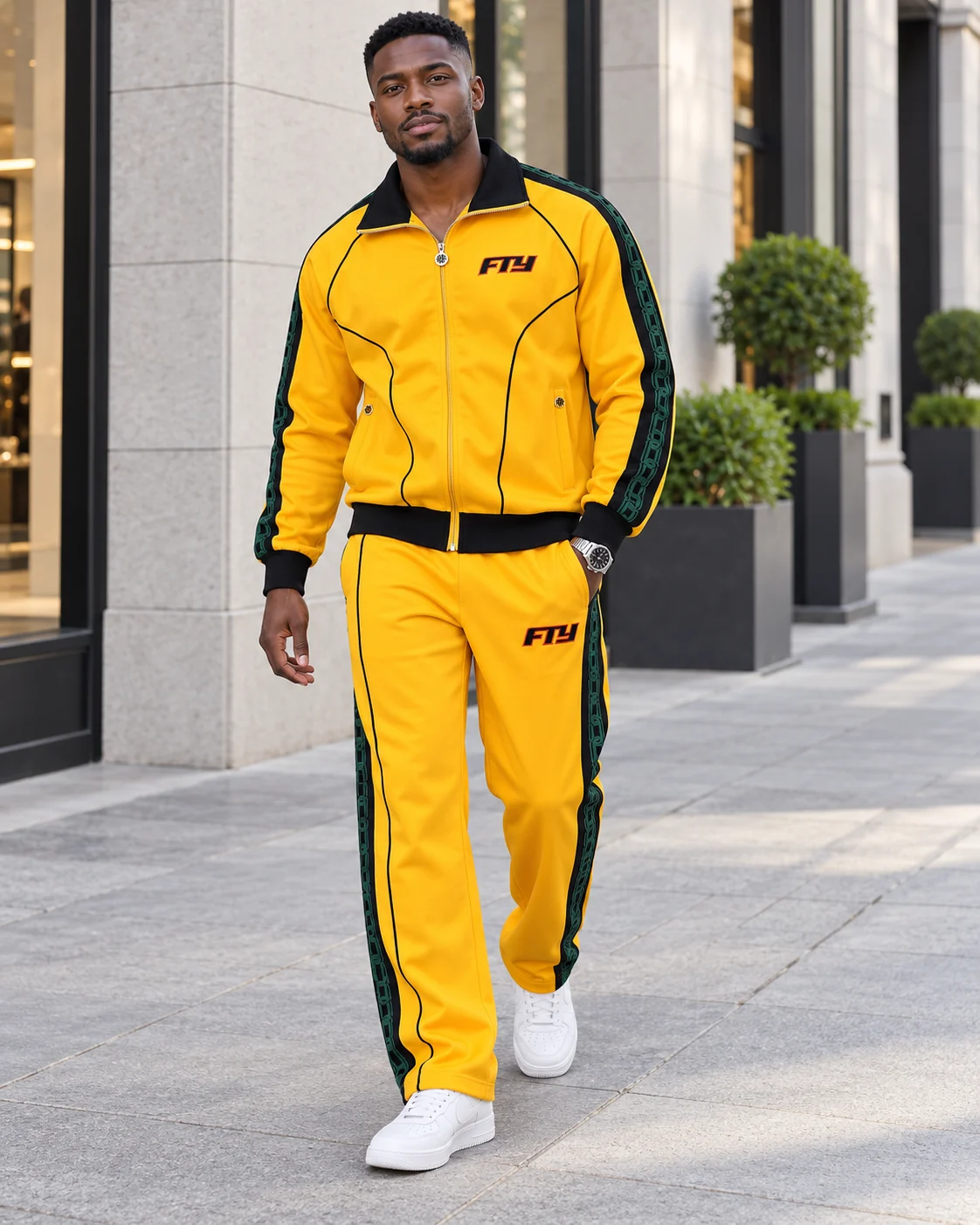
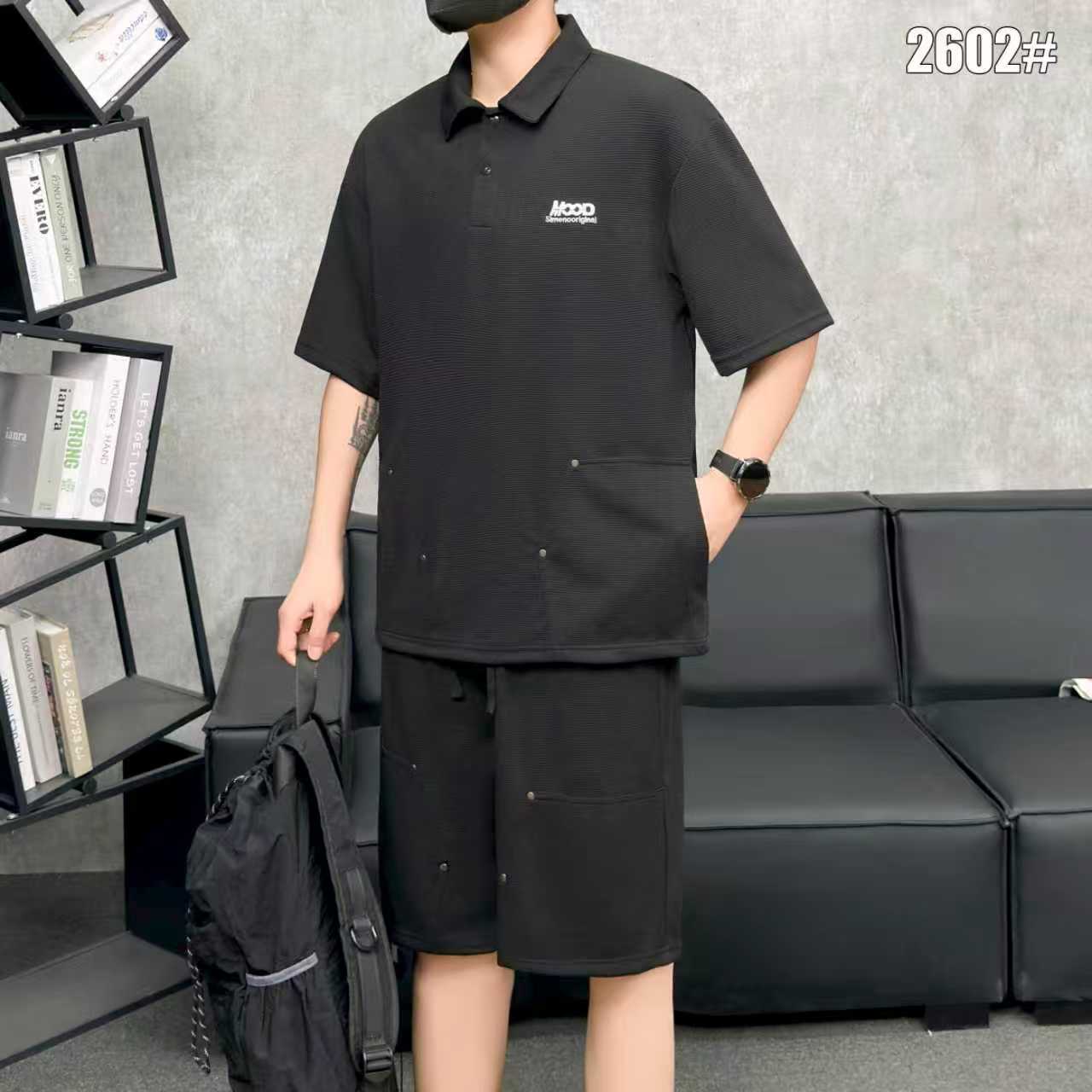
Tracksuits often serve as volume lines because they are easy to display as matching sets. Casual suits can produce stronger margin but may need more careful color and fit selection. Polo shirts offer accessible price points and repeat demand in warm climates. Denim can provide variety, but fit and wash preferences differ more sharply by market.
Before ordering, identify the role of each product:
- Volume line: frequent demand and reliable replenishment
- Margin line: higher selling price and stronger profit per unit
- Test line: limited quantity used to measure new demand
- Traffic line: attractive item that brings customers into the store
This classification makes the bulk order easier to manage than treating every SKU equally.
Avoid Overstocking with a Simple Reorder System
Set a reorder point for each style. When available stock falls below the expected sales during production and shipping time, place the next order. The reorder point should cover expected sales during replenishment plus a safety buffer based on your own sales volatility.
Review inventory every week using four numbers:
- Units sold
- Sell-through percentage
- Days of stock remaining
- Gross profit per unit
A style with a low unit cost but poor sell-through may be less valuable than a higher-priced item that sells quickly.
Size and Color Planning
Do not allow the factory to choose the size mix without your approval. Use XL 2XL 3XL as the standard core range, then confirm actual chest, length, shoulder, waist, hip and inseam measurements. Additional sizes are available on request.
Color planning should combine dependable basics with a limited number of fashion colors. Ask for physical color references or approved swatches. A catalog image is not enough to confirm the production color.
Supplier Verification Before Bulk Payment

Request the business license, export history, production photos or video, current sample and written quotation. Confirm that the legal entity receiving payment matches the supplier documents. For larger orders, arrange third-party inspection before shipment.
The approved sample should be labeled and retained. The quotation should define composition, GSM, measurements, color, quantity tolerance, packaging, production time and quality-claim handling.
What to Include in a Bulk Clothing Inquiry
Hello AfriWear Supply, I am planning a bulk clothing order for my African retail business. My destination is [country and city]. I need approximately [quantity] pieces in XL 2XL 3XL across [styles]. Please send quantity-based prices, current MOQ, fabric composition, GSM, size chart, color options, packing details, production or dispatch time, and FOB, CIF or DDP shipping options.
Bulk Clothing Buying Checklist
Before confirming payment, check:
- Sales history or test demand reviewed
- Product sample approved
- Fabric composition and GSM confirmed
- XL 2XL 3XL measurements received
- Colors and quantities agreed
- MOQ definition clarified
- Landed cost calculated
- Sellable quantity and storage capacity confirmed
- Inspection and quality-claim process documented
- Payment terms and bank details verified
- Shipping route and destination charges confirmed
Frequently Asked Questions
Is buying bulk clothing always cheaper?
The factory unit price usually falls as quantity rises, but total profitability depends on sell-through and landed cost. Buy more only when the additional stock can be sold within a reasonable period.
What is the typical MOQ for bulk clothing?
MOQ varies by style, available stock, color, fabric and customization. Ask for the current rule for the exact product and confirm whether it applies per style, per color or across the order.
Which sizes should I include in a first order?
Use your own sales data to plan the size mix and verify garment measurements in centimeters. If you do not yet have sales history, test a balanced mix and record sell-through before reordering.
How can I compare two wholesale quotations?
Compare the same product specification, size mix, color, incoterm, shipping destination and quantity. Then calculate landed cost per sellable piece, not just factory price.
Can a small retailer buy bulk clothing from Guangzhou?
Some suppliers can support test orders, but the current MOQ depends on the exact style and stock status. Start with samples, confirm the written specification and use a controlled quantity before scaling.
Request the Current Catalog
The right bulk clothing order balances price, product quality and cash flow. Test demand, approve the sample and scale only the styles that demonstrate repeat sales.
View the current AfriWear Supply product collection or request the latest catalog and wholesale quotation on WhatsApp.
Note: This guide is for purchasing-planning purposes. Actual prices, MOQs, transit times and taxes are subject to the supplier’s written quotation for the specific product and destination.