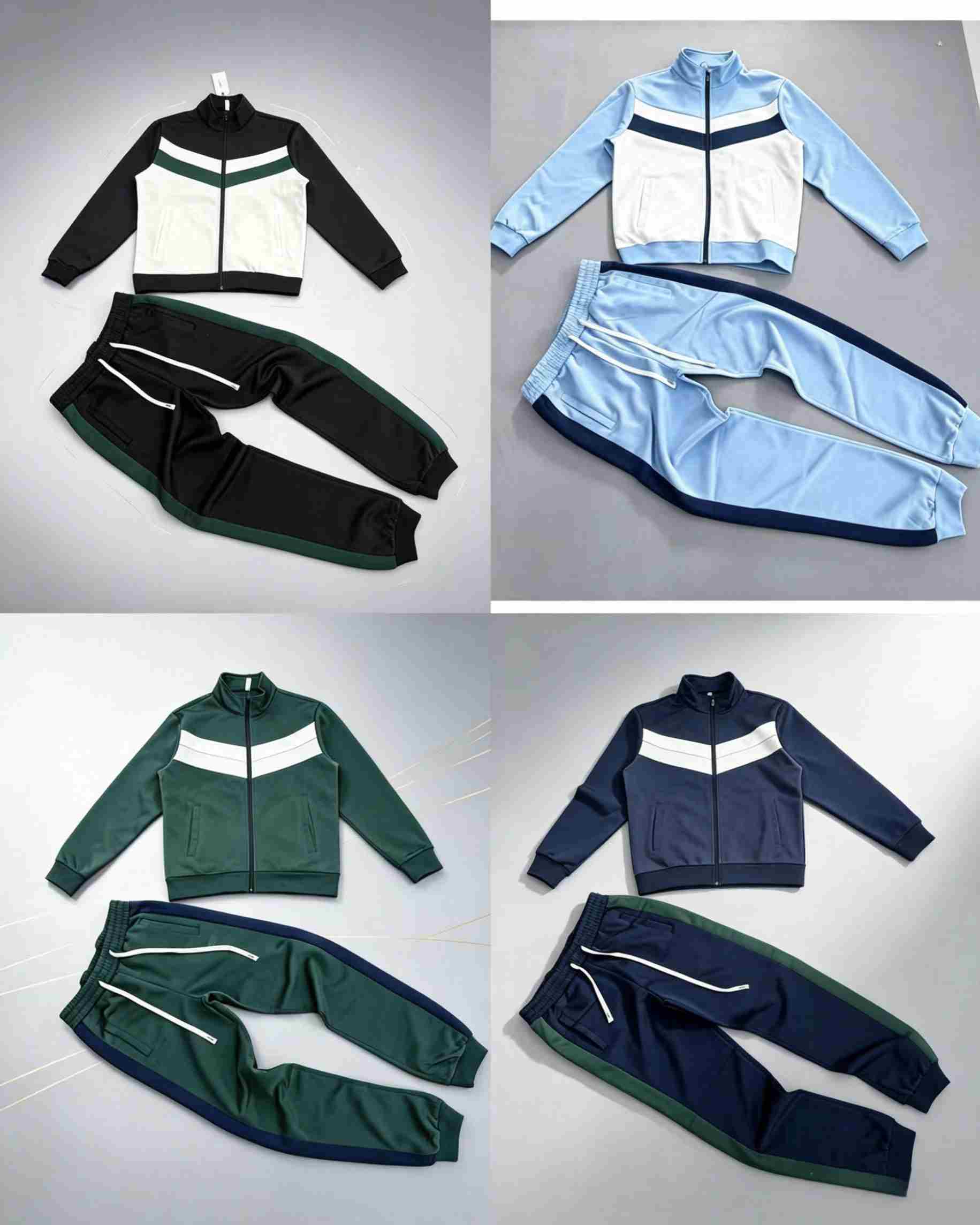
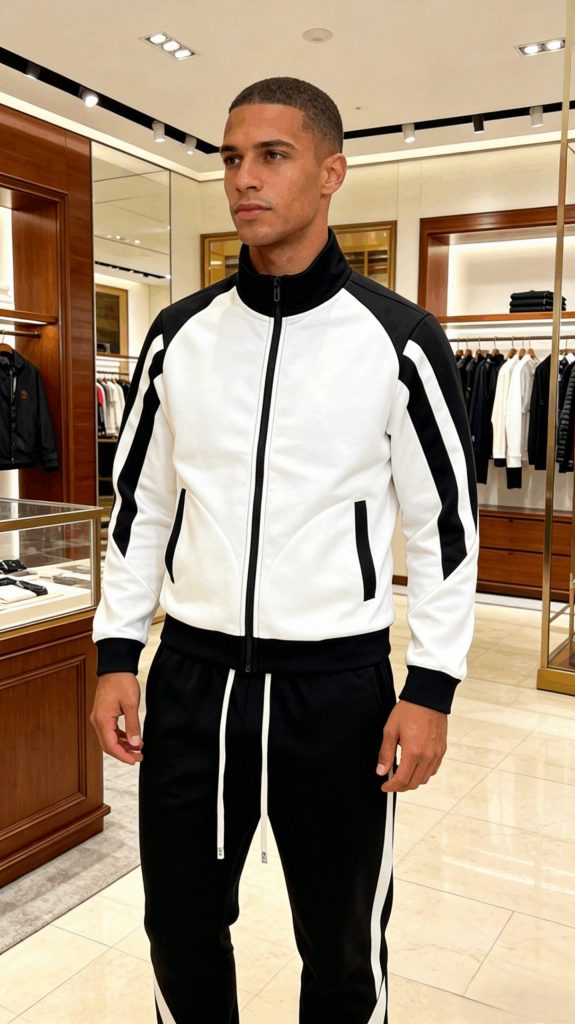
African retail markets are not homogeneous. A men’s fashion strategy that works in Lagos often fails completely in Nairobi. Climate, culture, occupation, and income level all shape what African men actually want to buy. When sourcing wholesale garments online for your retail store, understanding the difference between men’s casual clothing, bulk apparel, and outdoor wear — and knowing exactly which items sell in which African markets — is the difference between a profitable season and an overstocked warehouse.
What Is Men’s Casual Clothing? Understanding the Category
Men’s casual clothing is the backbone of most African clothing retail businesses. It encompasses all non-formal, everyday garments that men wear for regular activities: joggers, casual trousers, knit pants, polo shirts, casual shorts, and loose-fit sets. Unlike formal business wear, men’s casual clothing prioritizes comfort, durability, and affordability — the three factors that African consumers weigh most heavily when making everyday purchasing decisions.
For wholesale buyers sourcing bulk apparel, men’s casual clothing should make up 50-60% of your initial inventory mix. These items have the highest sell-through rates, the lowest return rates, and the most predictable demand patterns across virtually every African market. A quality pair of men’s knit joggers at the right price point will sell consistently from Nigeria to South Africa, regardless of season or economic conditions.
Outdoor Wear: The Overlooked Wholesale Opportunity in Africa
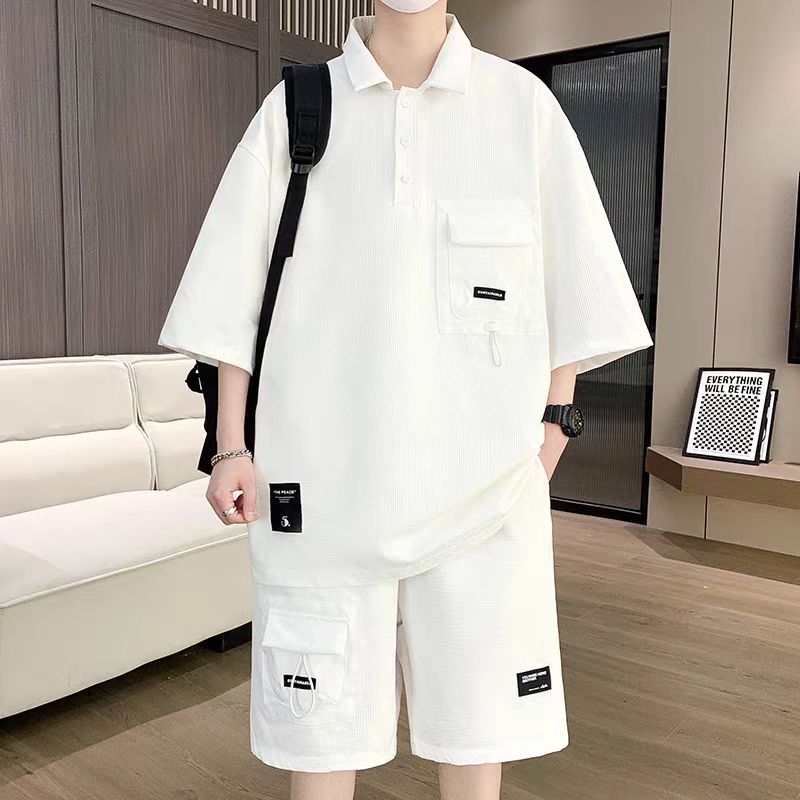
Outdoor wear is the most underserved and most profitable category in African wholesale apparel sourcing right now. While most retailers focus entirely on men’s casual clothing, the demand for outdoor-style garments in Africa is growing rapidly and competition in this niche is still relatively low. Outdoor wear in the African context is not about hiking mountains — it is about practical clothing for outdoor occupations, safari tourism, farming communities, and warm-climate outdoor activities.
The key products in the outdoor wear category for African wholesale markets include:
- Lightweight safari-style cargo trousers in earth tones
- UV-protection casual shirts for outdoor workers and drivers
- Quick-dry athletic sets for gym and outdoor sports
- Convertible cargo pants that transform from long to short
- Lightweight outdoor jackets for highland areas (Ethiopia, Kenya highlands, South Africa)
- Anti-mosquito outdoor sets for rural and semi-rural markets
The most profitable outdoor wear items for African retailers are cargo trousers and quick-dry sets. Cargo trousers in particular have exceptional sell-through rates across rural and urban markets — farmers, taxi drivers, security personnel, and construction workers all need practical outdoor-style clothing that can withstand daily wear in hot, dusty conditions.
Bulk Apparel: Building a Balanced Inventory Mix
When sourcing bulk apparel from wholesale online platforms, the most common mistake African retailers make is buying too much of one category. A full container of men’s casual clothing with no outdoor wear or formal options limits your customer base unnecessarily. A smarter approach is to build your wholesale garment inventory around three purchasing tiers:
- Tier 1 (60% of budget): Men’s casual clothing — your volume drivers. Knit joggers, tracksuit sets, casual trousers, and everyday wear items. High turnover, predictable demand, low return rates.
- Tier 2 (30% of budget): Outdoor wear — your margin builders. Safari cargo trousers, quick-dry sets, and outdoor-style shirts command premium pricing in markets where outdoor functionality is valued.
- Tier 3 (10% of budget): Trend and seasonal items — your window dressing. Limited quantities of fashionable or seasonal items that attract younger customers and create buzz in your store or market presence.
Market-Specific Sourcing Strategy by African Country
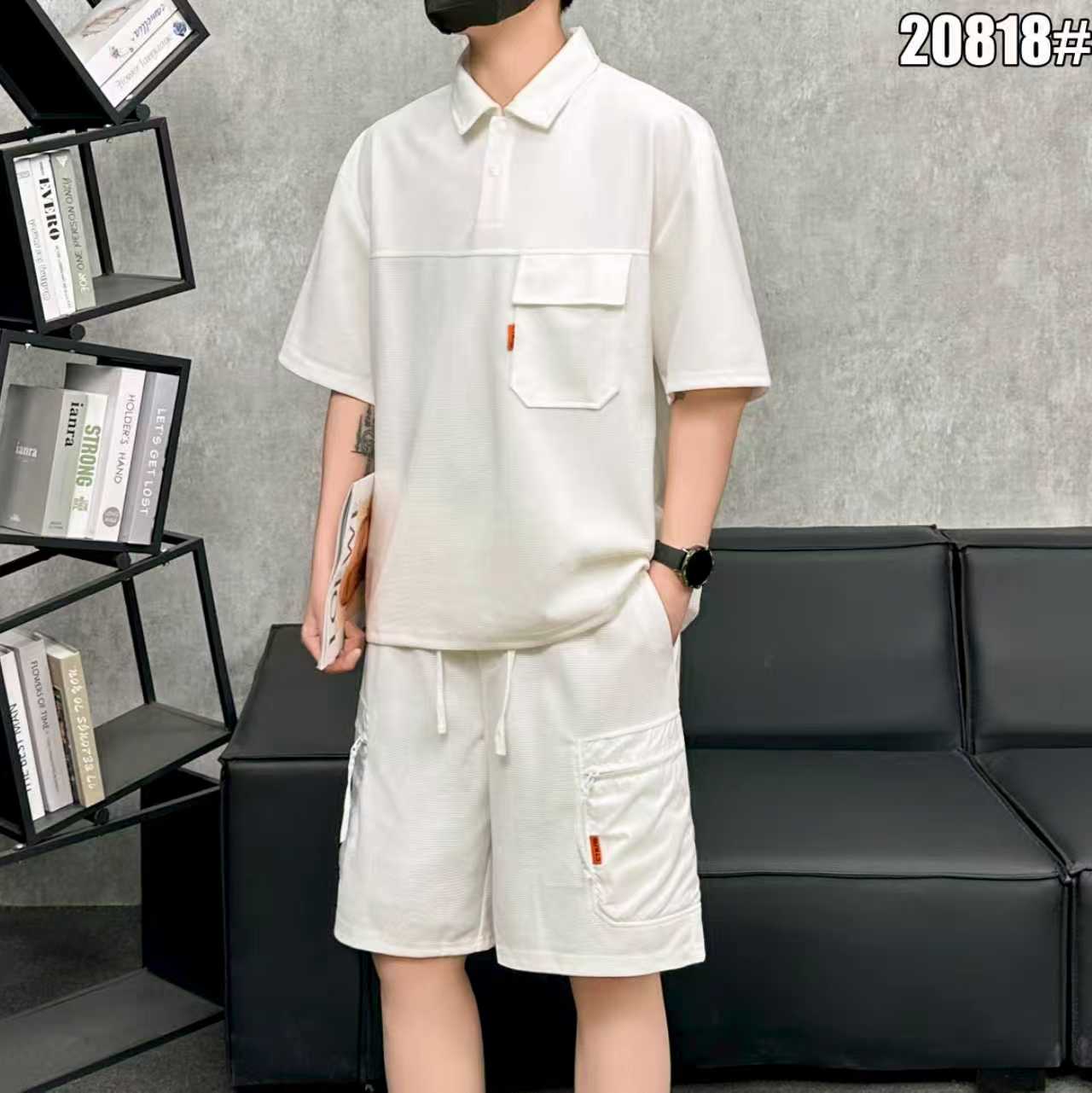
Different African countries favor different clothing categories. Understanding these differences lets you stock smarter, not just source cheaper:
- Nigeria: Men’s casual clothing dominates. Joggers, tracksuit pants, and casual sets are the top sellers. Outdoor wear growing fast in Lagos and Abuja among professionals who commute outdoors. Stock 70/20/10 split.
- Kenya: Outdoor wear is your secret advantage. Kenya’s tourism industry and highland regions create strong demand for safari-style clothing. Combine outdoor wear with men’s casual clothing for a winning mix. Stock 40/45/15 split.
- Ghana: Balanced market. Both men’s casual clothing and outdoor-style items sell well. Religious and cultural events drive demand for modest, comfortable clothing. Stock 55/30/15 split.
- South Africa: Quality-conscious market that rewards premium positioning. Outdoor wear and men’s casual clothing both command higher retail prices than in West Africa. Stock 45/40/15 split with quality focus.
- Ethiopia, Uganda, Tanzania: Emerging markets where men’s casual clothing is the entry point. Outdoor wear is less understood but growing. Start conservative with men’s casual clothing, test outdoor wear in small quantities. Stock 70/20/10 split.
How to Source Wholesale Garments Online Without Mistakes
The biggest risk in sourcing wholesale garments online is ordering items that look good in product photos but do not match what your African customers actually want. Fabric weight, color fastness, stitching durability, and climate suitability all matter more than brand names or fashion trends. Here is what to check before confirming any wholesale order:
- Fabric weight: For men’s casual clothing, 280gsm cotton-polyester blends work best for joggers. For outdoor wear, look for 160-200gsm quick-dry fabrics. Too light and items feel cheap; too heavy and they are uncomfortable in African heat.
- Color range: African markets respond strongly to earth tones and deep colors for outdoor wear (khaki, olive, navy) and vibrant solid colors for men’s casual clothing. Avoid pastels and washed-out tones.
- Size consistency: Request a sample of 3-5 units before ordering bulk apparel. Verify that sizes run true to standard Asian sizing charts (typically 1-2 sizes smaller than European/US sizing).
- Stitching reinforcement: Check that stress points (knees, waistband, pockets) have double stitching or reinforced seams. This is the single biggest quality indicator that separates wholesale garments worth reordering from items that damage your reputation.
Start Your Wholesale Garments Order Today
Whether you are restocking men’s casual clothing basics or branching into outdoor wear for the first time, sourcing bulk apparel online from Foshan manufacturers gives African retailers an unbeatable combination of price, variety, and quality. With gross margins of 55-75% on well-sourced garments, the only constraint is your willingness to learn what your specific market actually wants to buy.
Start your next order with a mixed bulk apparel purchase: 100 units of men’s casual clothing basics and 50 units of outdoor wear items. Test the quality, measure your sell-through rate, and refine your mix based on real sales data from your actual customers. That is how successful African retailers build their wholesale garment businesses — one smart order at a time.