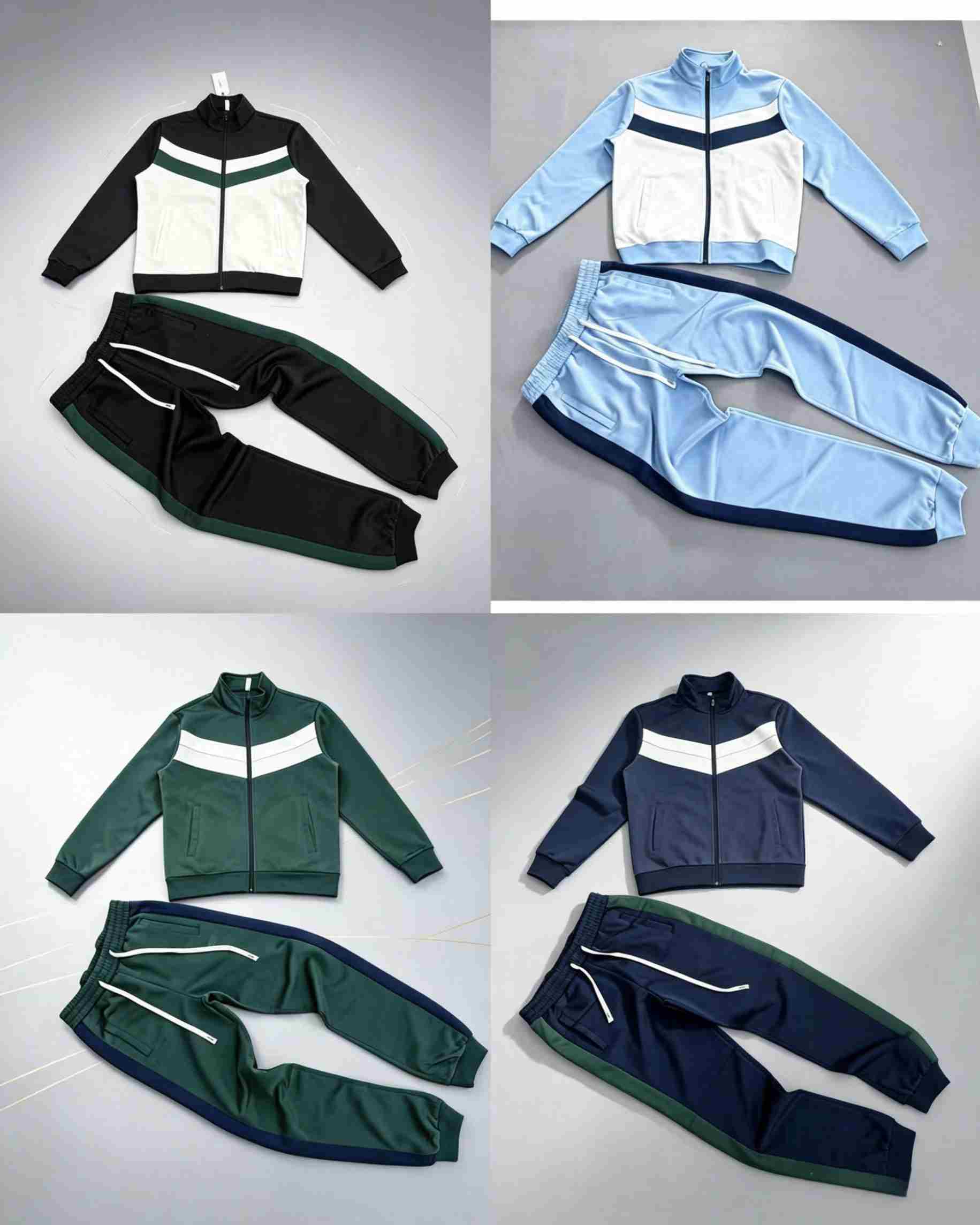
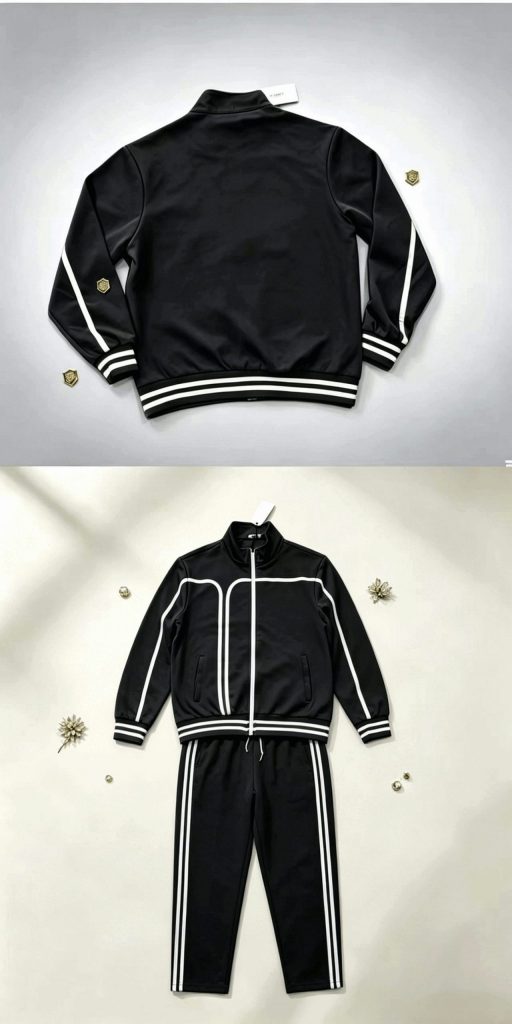
When African retailers first start sourcing from China, they almost always go through a trading agent or a B2B platform that acts as one. As their business grows and they learn more about the market, the question becomes unavoidable: should I stay with clothing manufacturers suppliers who use intermediaries, or should I go factory direct? The answer is not as simple as “factory direct is always better” — and understanding why will save you from costly mistakes.

What Factory Direct Clothing Manufacturers Suppliers Actually Offer
Factory direct sourcing means buying directly from the manufacturing facility that produces your garments, without a trading company or intermediary handling the order. For clothing manufacturers suppliers in Foshan, this typically means a minimum order of 100-300 units per style, with pricing 15-30% below what you would pay through a Guangzhou trading agent.
Beyond price, factory direct relationships offer capabilities that agents cannot: custom fabric sourcing to your exact specifications, color matching against physical swatches you provide, custom labeling and packaging, flexible production scheduling during off-peak seasons, and direct accountability for quality issues without finger-pointing between agent and factory.
When to Use Clothing Manufacturers Suppliers Through Agents Instead
Factory direct is not always the right answer for African retailers. Clothing manufacturers suppliers accessed through experienced trading agents make sense when:
- You are ordering below 100 units: Most Foshan factories have minimums of 100-200 units per style. An agent can aggregate orders from multiple buyers to meet factory minimums while offering mixed-product orders under 100 units.
- You need mixed products from multiple factories: If your order includes men’s casual suits, denim, and sportswear — products that come from different specialized factories — a trading agent who aggregates across factories may be more efficient than managing three separate manufacturer relationships.
- You are a first-time importer: Established trading agents have the logistics infrastructure, customs experience, and documentation knowledge to move your first orders smoothly. The extra cost is worth avoiding the learning curve.
- You need small-quantity seasonal replenishment: Reactive restocking of best-sellers during a selling season, when you need 20-50 units of a proven style urgently, is better handled through an agent than trying to trigger a new factory order.
The Optimal Strategy: Start with Agents, Build to Factory Direct
The smartest approach for growing African retailers is to start your sourcing with experienced clothing manufacturers suppliers through reputable trading agents — use this period to learn the market, establish your quality benchmarks, and build your logistics capability. As your order volumes grow and you identify your best-performing products, transition the highest-volume items to factory direct relationships while maintaining agent access for reactive restocking and new product testing.
This hybrid approach — bulk apparel sourced factory direct for your core products, agent-sourced for mixed-SKU and reactive orders — gives you the best of both worlds. Your core men’s casual suit line carries the lowest possible landed cost through factory direct relationships. Your ability to quickly restock and test new products remains intact through agent relationships. This is how the most profitable African apparel retailers actually operate.